Tradition meets Evolution

I Volunteer As Tribute?
If I had two words to describe the capital city of Egypt, it’d be “Organized Mess,” with a heavy emphasis on mess.
Cairo is loud. It’s dusty. It smells like fried liver, car exhaust, and old books. There’s a honk every second, traffic laws are definitely just suggestions, and crossing the street is an extreme sport that requires prayer, agility, and a “may the odds be ever in your favor” attitude.
This is not the Cairo of postcards with camels and pyramids. No — that’s Giza. This is Cairo, where millennia of history sit layered beneath crumbling balconies, where Coptic crosses and minarets share skyline space, and where you can have a heart-to-heart with your Uber driver about life, love, and geopolitics before your second coffee.
And my first stop? Naturally — where all the mummies are.
National Museum of Egyptian Civilization
Let’s get one thing straight: the National Museum of Egyptian Civilization (NMEC) is clean, modern, and brimming with ‘life’. All pun intended. After all, this is where they’ve relocated 20 royal mummies — 18 kings and 2 queens, spanning from the 17th to the 20th dynasties — into one building during a fancy parade aptly named ‘The Pharaohs’ Golden Parade’ in April 2021.
Entering the Mummies Hall honestly feels like descending into a very fancy, very air-conditioned underworld.
The lighting is low, the temperature perfectly controlled, and the energy? Strangely reverent. Each glass coffin houses a king or queen, and beside them, a plaque tells you how long they ruled, what they were buried with, and — occasionally — how they died. No gold, no grandeur here. Just sun-leathered faces, preserved after thousands of years, each one whispering a quiet testament to mortality and memory.
Standing in front of Ramses II or Hatshepsut, I couldn’t help but think, “So this is the person who moved mountains — and now they fit in a climate-controlled box with a barcode.” It’s humbling, a little sad, and kind of beautiful in a morbid way.
Do take note, though: while photography is permitted everywhere else in the museum, it is strictly forbidden in the Mummies Hall. I can’t emphasize this enough. I watched security yeet an entire family out — not just from the room, but the entire premises — for attempting a selfie with a royal, human-shaped bundle of linen. Consider yourself warned… lest your 500 EGP ticket go to waste
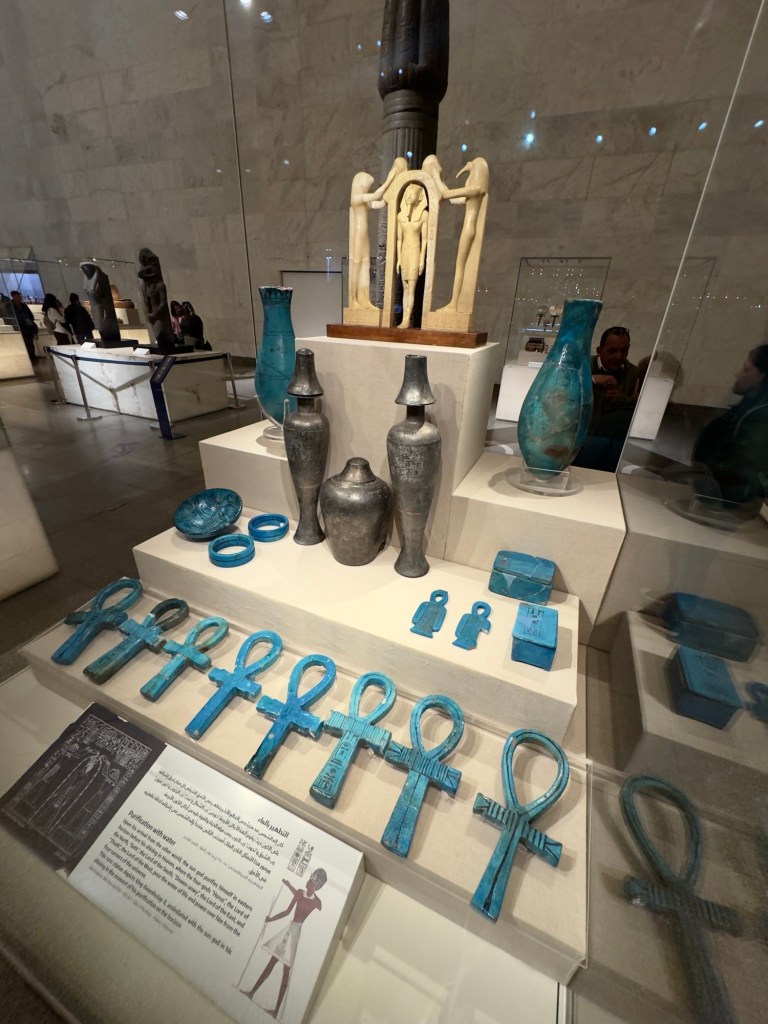
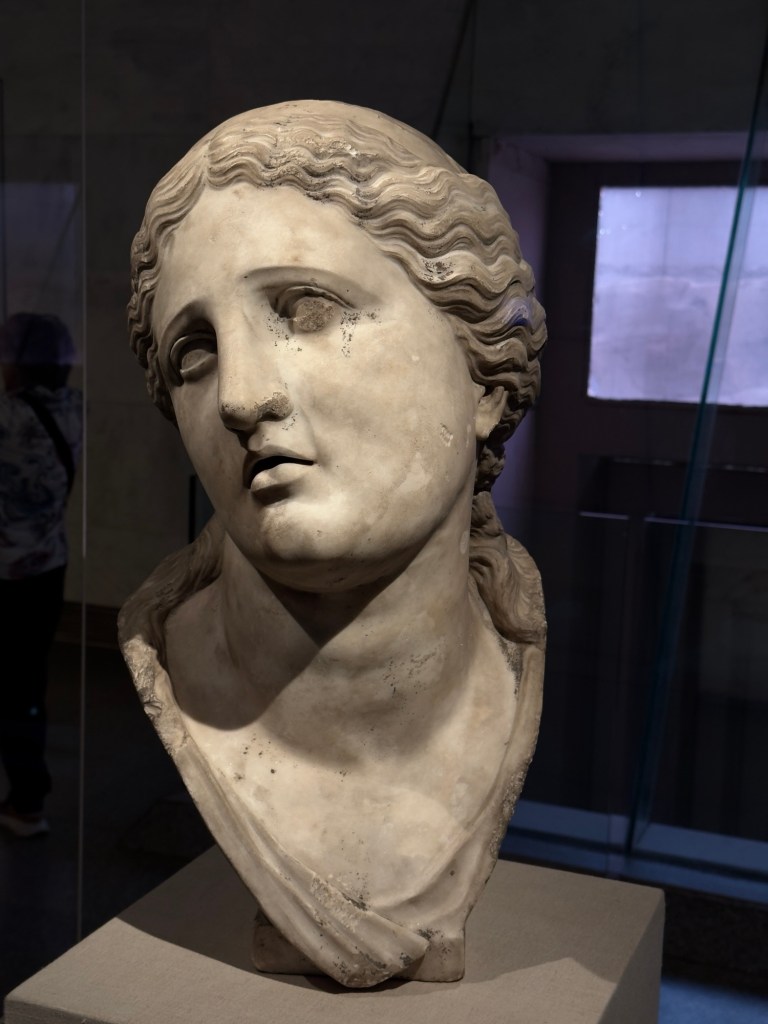
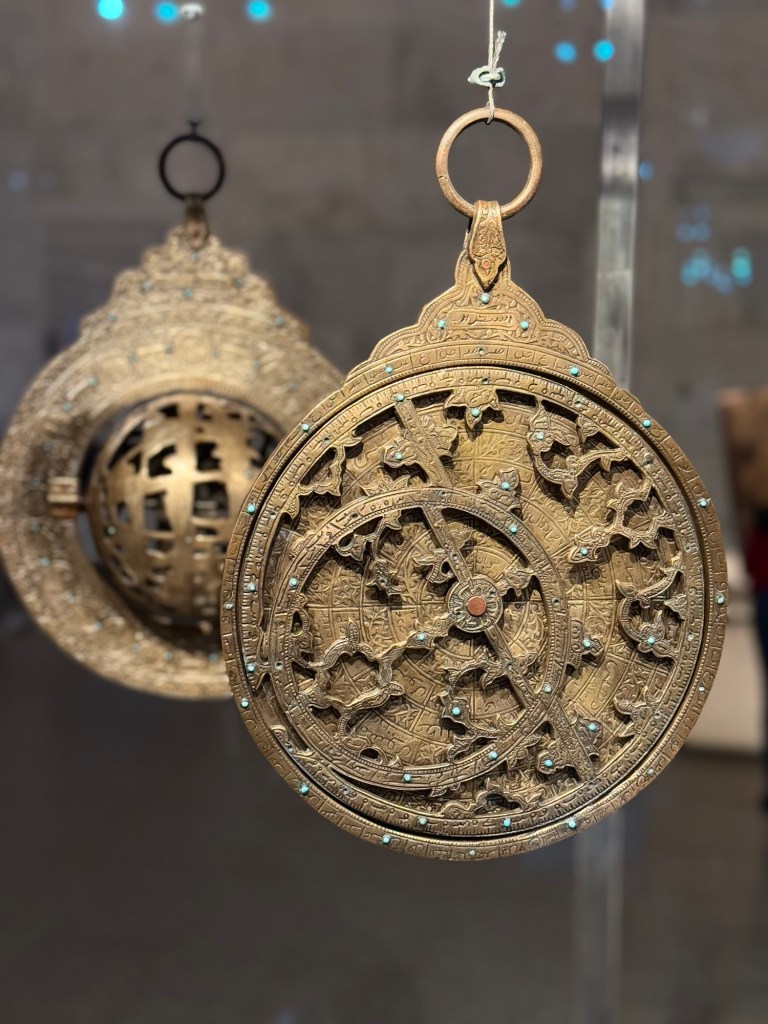
The main floor of the museum is wonderfully organized — it literally comes full circle, I might even say. It tells the story of Egyptian civilization as a continuous journey — from prehistoric stone tools to the rise and fall of ancient dynasties, its Greek and Roman periods, Islamic art, and Coptic icons. Egypt isn’t just Pharaonic — it’s layered. And NMEC does a brilliant job of reminding you of that.
Cairo Citadel
High above the city, where the haze (or smog) lifts just enough to catch your breath, the Cairo Citadel watches over everything like an old general who’s seen too many wars but still stands tall. Built in the 12th century by Saladin to keep out the Crusaders, it still holds its ground with grit and grace.
The climb up is steep — physically and historically. But once you’re inside, and 450 EGP lighter, the chaos of downtown Cairo fades. The air is a bit cooler, the pace slows, and for a moment, you’re suspended between centuries. Stone walls stretch in every direction, courtyards echo under your feet, and every tower carries that familiar scent of dust and diesel — the iconic Chanel No. 5 of Cairo.

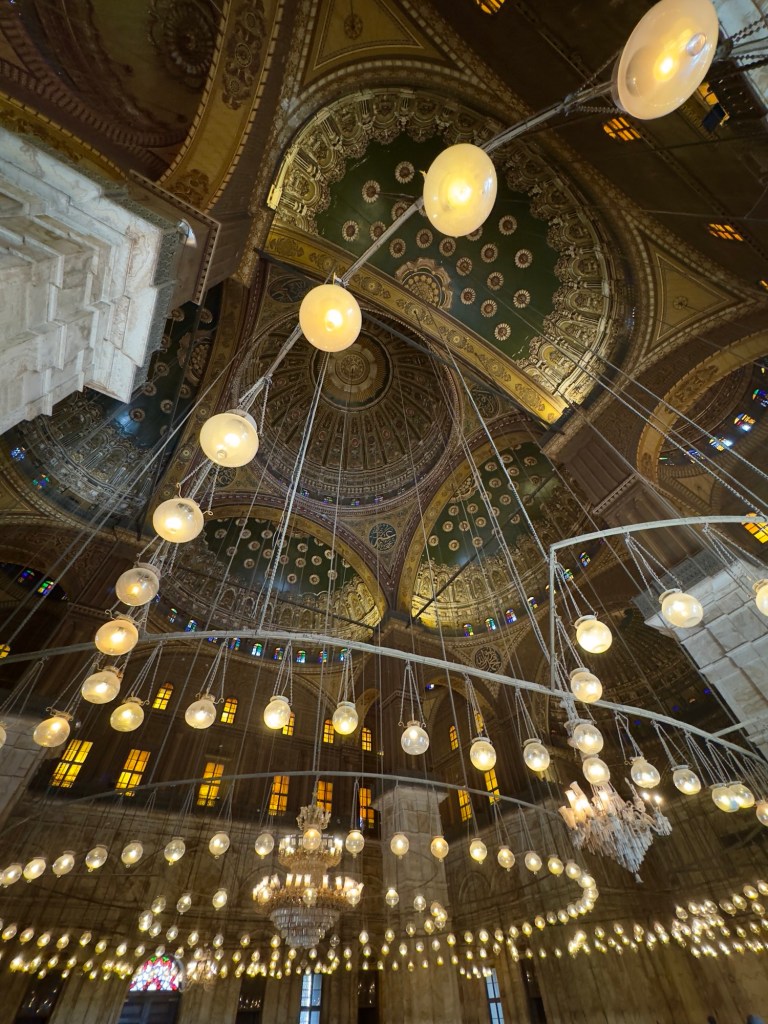
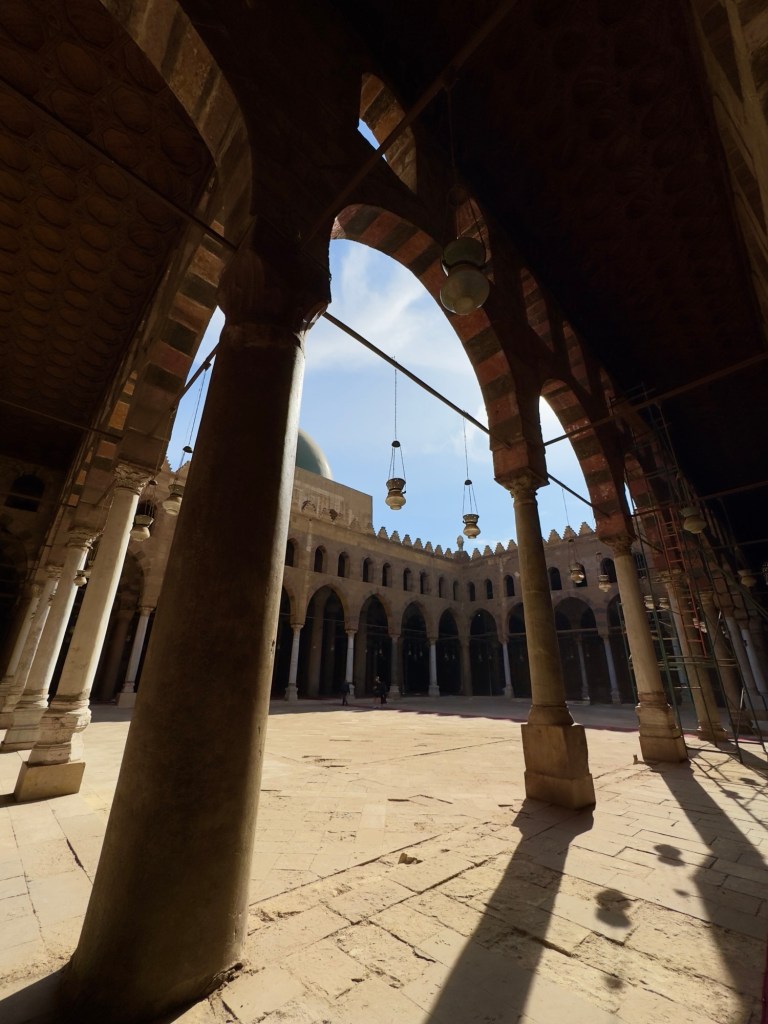
The centerpiece, of course, is the Mosque of Muhammad Ali. This isn’t just a mosque — it’s a power play in marble. Think: giant Ottoman domes, towering minarets, and interiors dripping in chandeliers and carved alabaster. It feels more like a palace for God than a place of prayer. Stand beneath that immense dome, and your voice comes back to you in ghostly whispers. It’s a space built to make we mortals feel small.
On the terrace, Cairo stretches below like a mirage made of stone and smog. You can see everything: the pyramids in the hazy west, the endless skyline of satellite dishes and minarets, and the pulse of a city that never, ever sleeps. It’s the kind of view that makes you shut up for a second and just look. Big plus is the number of kitten and puppies in the area too.
You don’t leave the Citadel refreshed. You leave it breathless (literally) . And slightly sunburned.
The OG Egyptian Museum
The Egyptian Museum in Tahrir is like a cabinet of curiosities — chipped, chaotic, and absolutely jam-packed.
It’s an old colonial relic with the vibe of a university archive — Tuition: 450 EGP — that somehow ended up housing some of the world’s greatest treasures. It smells like dust, papyrus, and powdered history. No fancy cases, no climate control — just open glass boxes filled with solid gold and enough ancient statuary to outfit a small kingdom
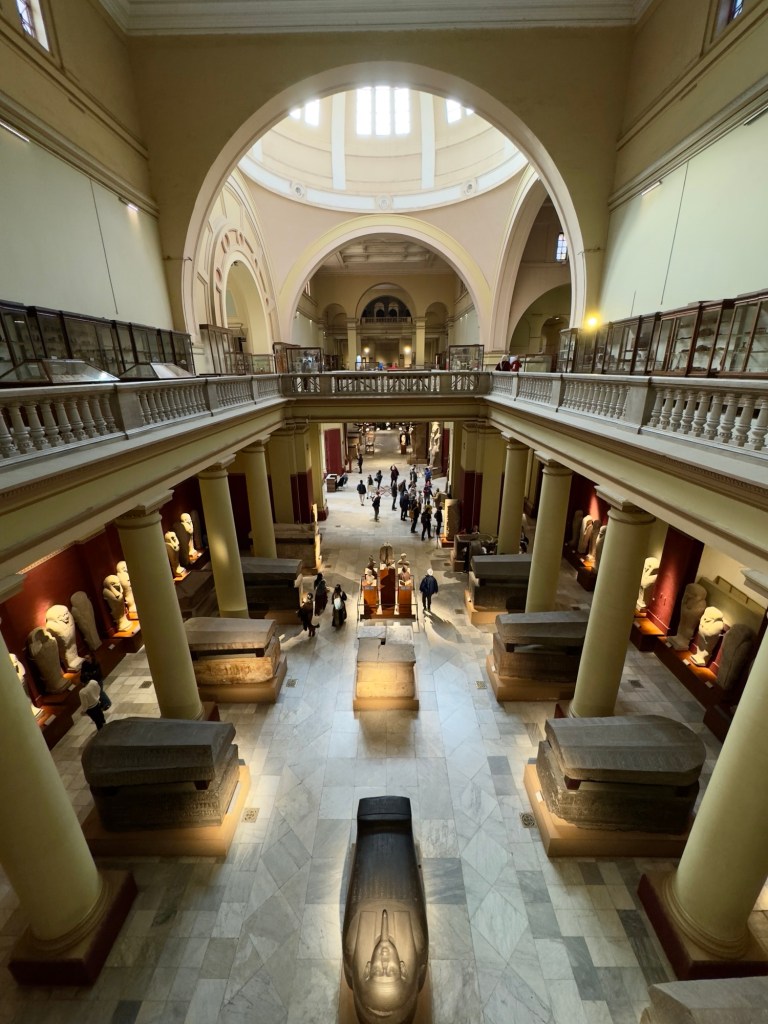
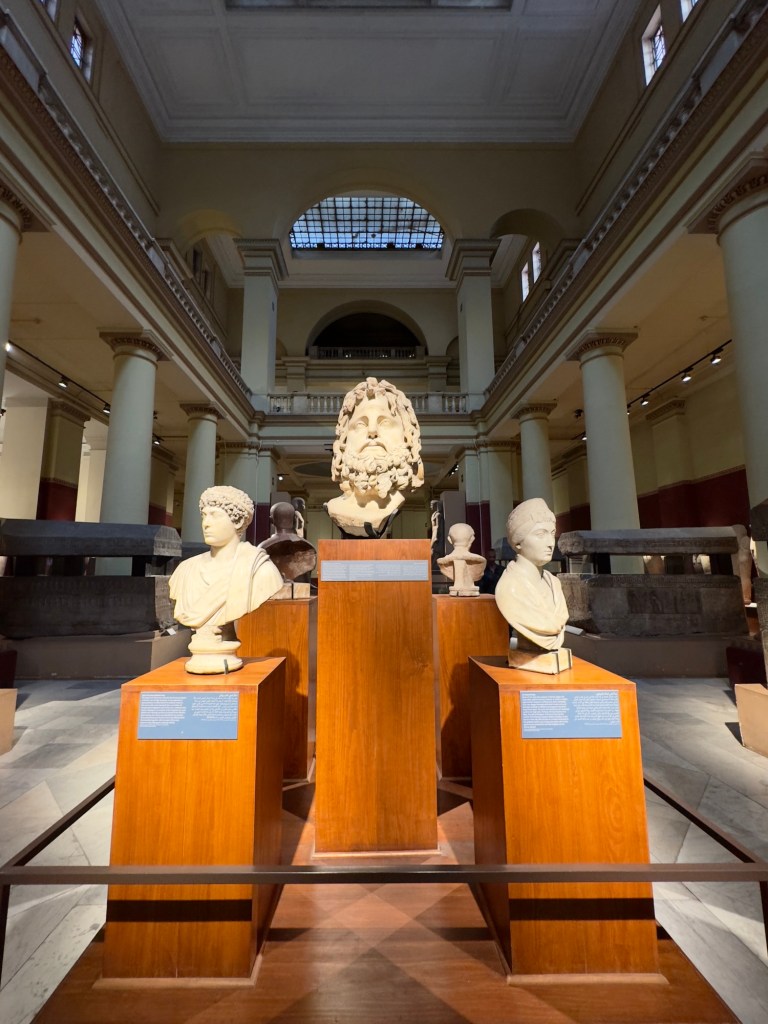
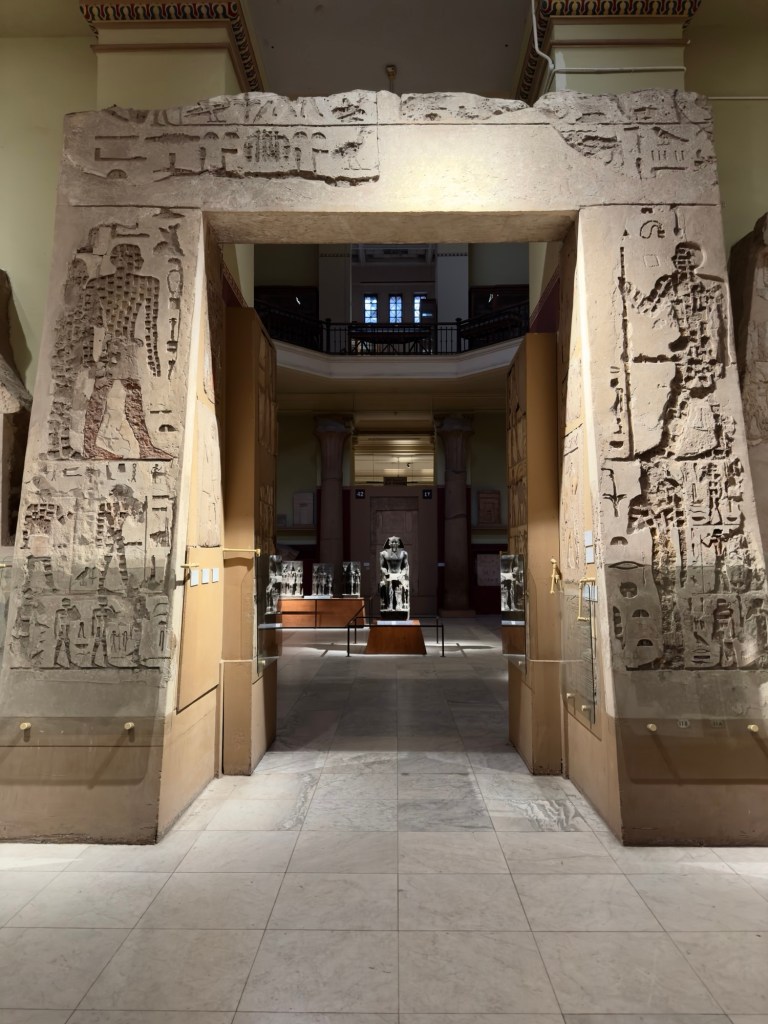
I came for Tutankhamun’s treasures before they’re permanently relocated to the Grand Egyptian Museum (GEM), and yes — they still take your breath away. That iconic golden mask? Smaller than you’d expect, but no less jaw-dropping. The craftsmanship, the detail, the luxury for a king who died barely out of puberty — it’s indulgence on a cosmic scale.
The room is also absolutely packed — personal space is not a thing here. But that doesn’t stop eagle-eyed security from snatching phones and cameras mid-air or peaking out from a sneaky pocket shot, screaming “NO PHOTO” at the top of their lungs or in your face. Yep, photography is prohibited in this room too. But there are some treasures outside the room that you can take photos of.
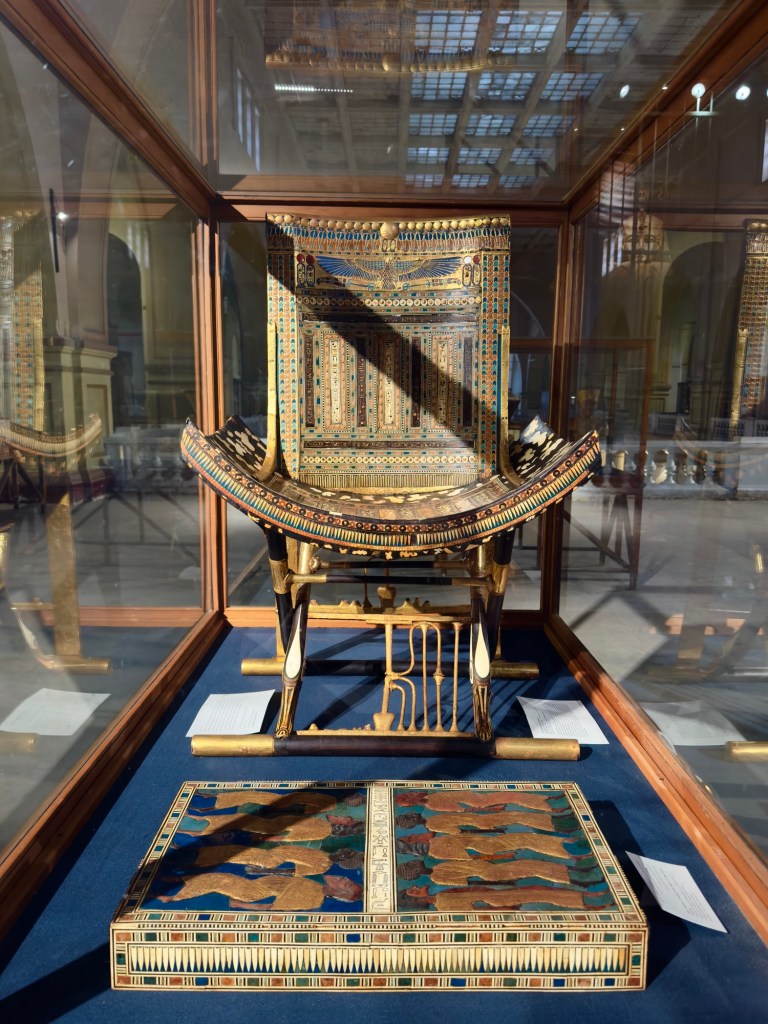
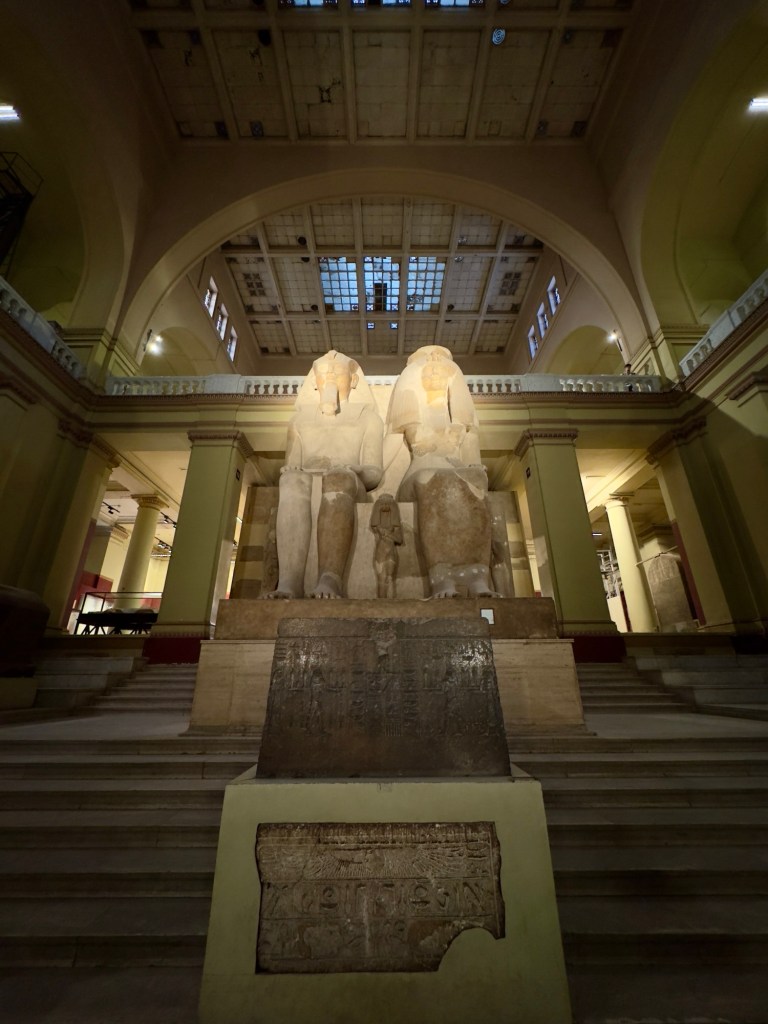
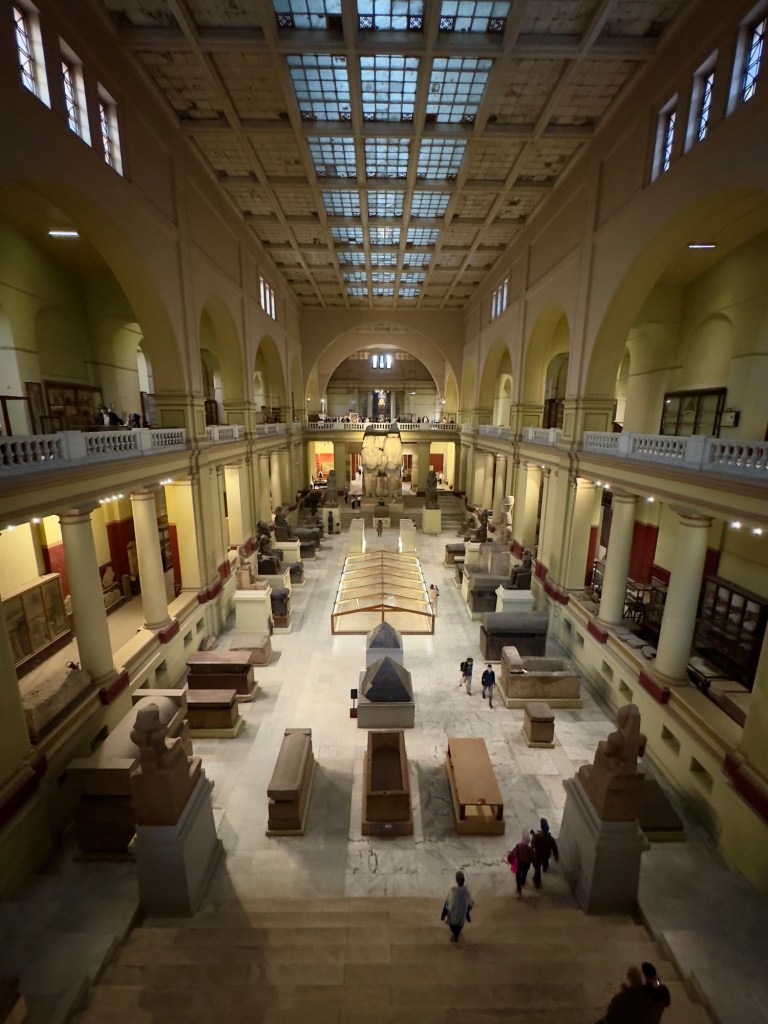
But honestly, the charm of this museum isn’t just in the blockbuster items. It’s in the way things are piled, sometimes literally, corner to corner — massive sarcophagi leaning casually next to dismembered statues. Every possible surface is stuffed with fragments of ancient history. You feel like you’ve stumbled into a pharaoh’s attic. I even overheard a guide admit that GEM was built because they’d literally run out of space here. And looking at it, I believe it.
Prince Mohamed Ali Palace
A bit off the main tourist grid is Prince Mohamed Ali Palace in Manial — and let me tell you, this place is an architectural fever dream.
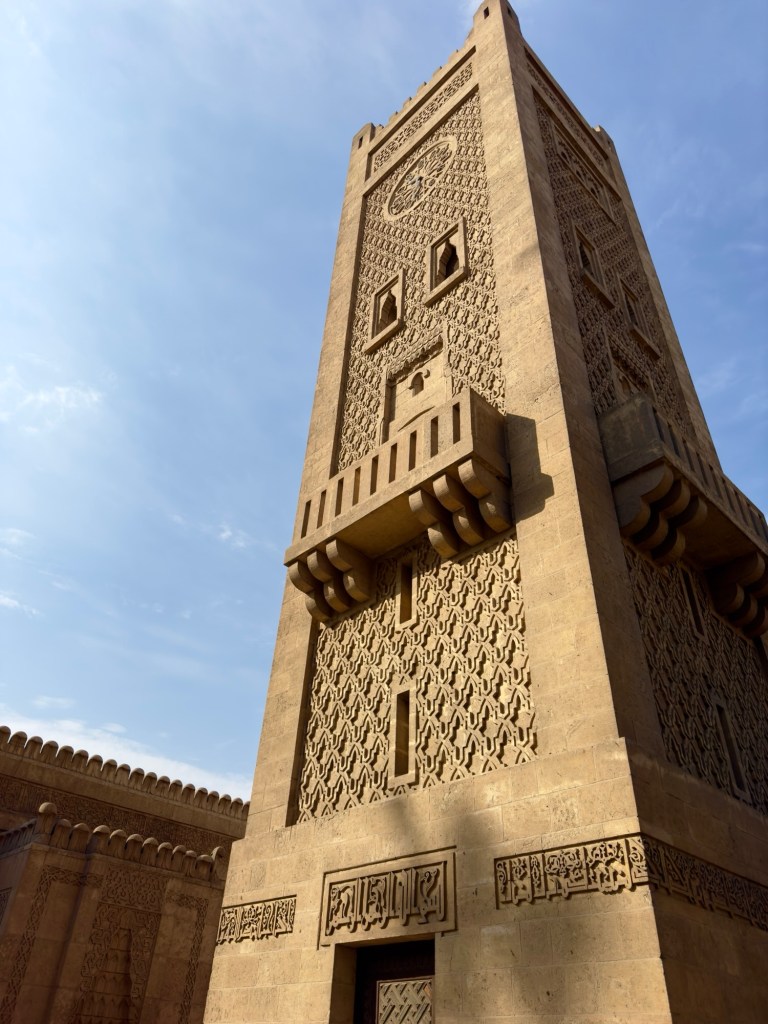
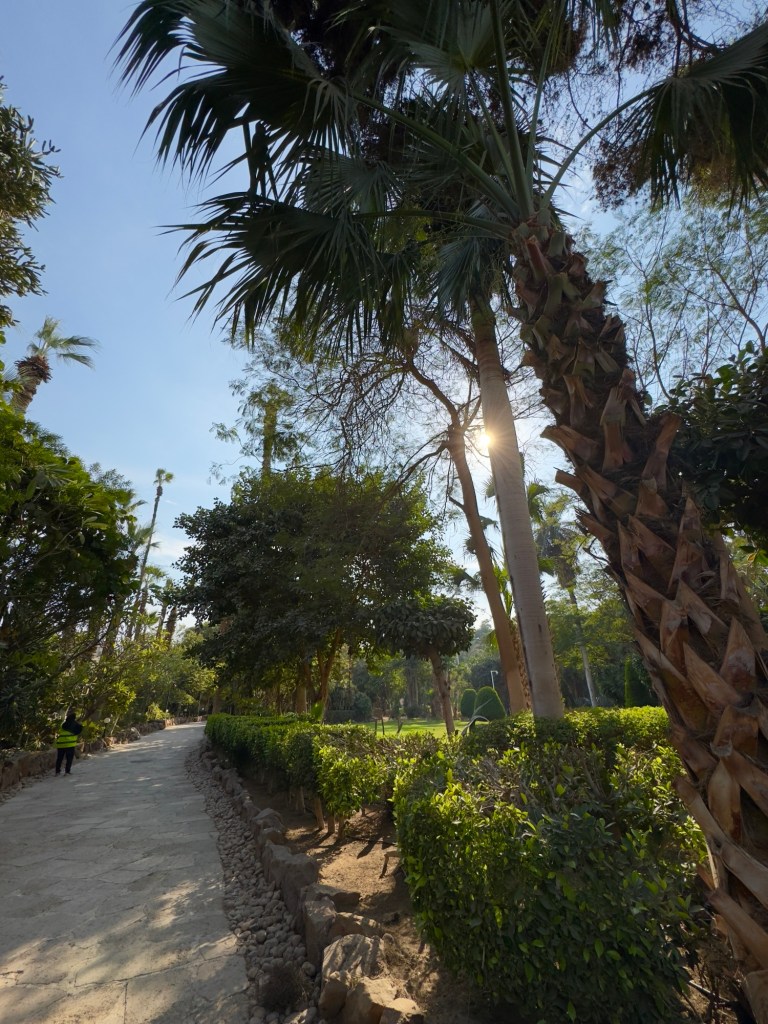
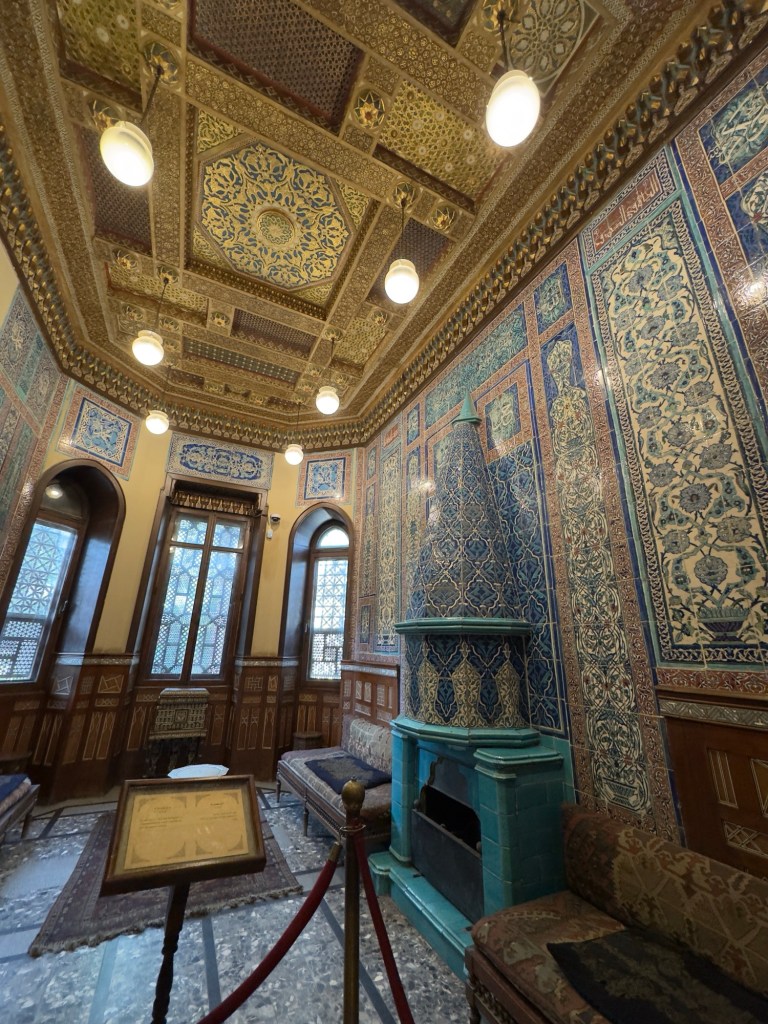
The prince clearly said yes to everything. Moorish ceilings, Persian mosaics, Ottoman arches, Andalusian courtyards, Rococo flourishes — all somehow stitched together in the most flamboyantly harmonious way possible. Every room feels like it was designed by someone deeply in love with beauty itself.
There’s a softness here, a stillness, that makes it feel less like a royal residence and more like a waking dream. The private mosque is intimate and jewel-like, while the reception halls flirt shamelessly with excess.
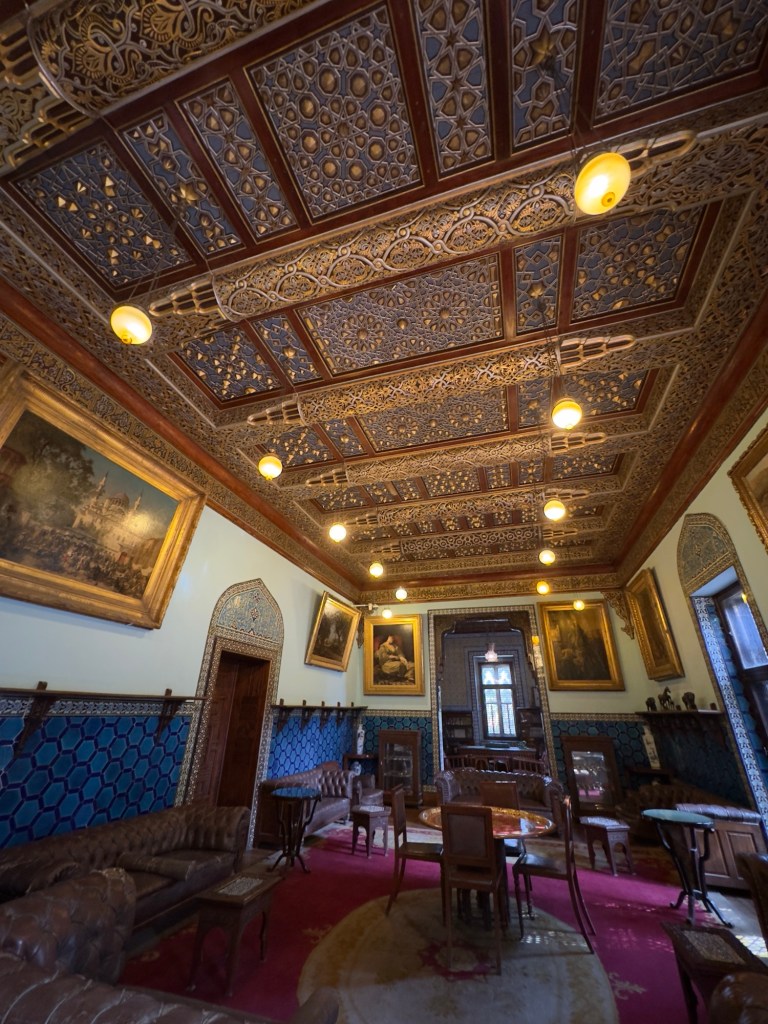
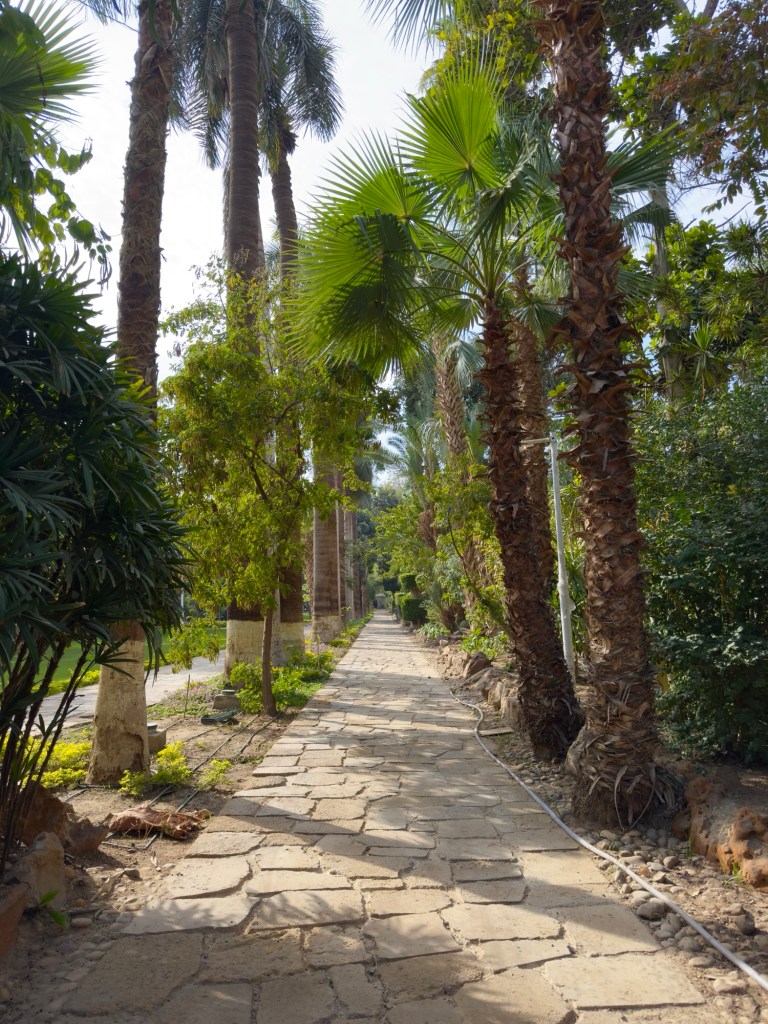

Compared to the grand, heavy weight of the Pharaonic sites, this was a breath of fresh tilework. A prince building his own lush green paradise on the Nile — less about power, more about poetic aestheticism.
Also, barely any crowds. A true Cairo rarity for only 180 EGP.
Grand Egyptian Museum
When I visited GEM, it was still in its pre-opening phase. While many main halls were open, I sadly missed the two major attractions: the complete Tutankhamun collection (to be displayed all together for the first time, only a few were on display in the Egyptian Museum in Tahrir), and the Solar Boat of Khufu, which was also relocated here. I’m still incredibly salty about it. But I guess that’s what future trips are for.
The museum itself is massive — it feels like it should have its own weather system. Positioned within sight of the pyramids, GEM is built to be the final word in Egyptology. Not just a museum, but a statement. A very expensive, $1 billion statement. And a hefty 1270 EGP entry ticket.
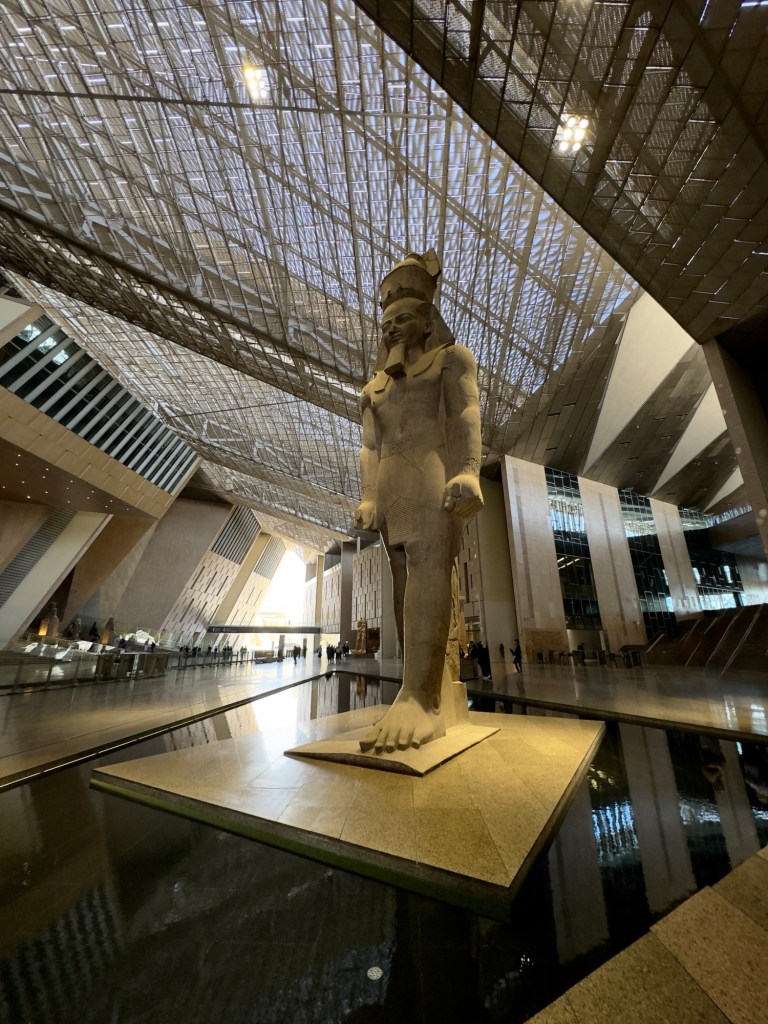
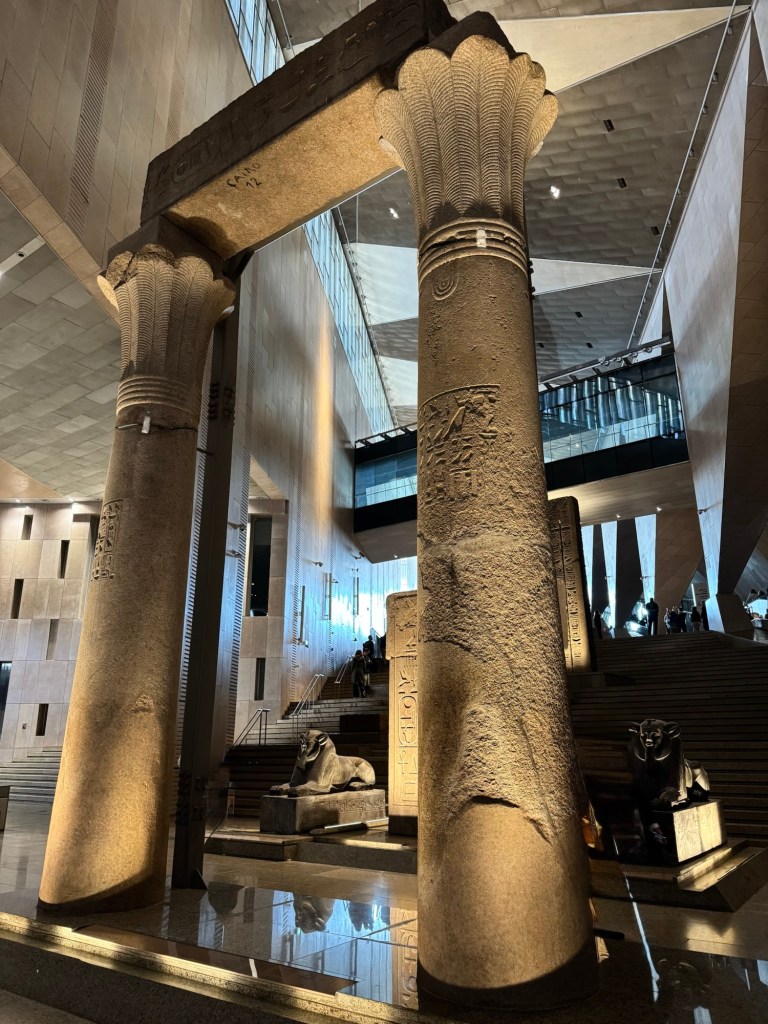
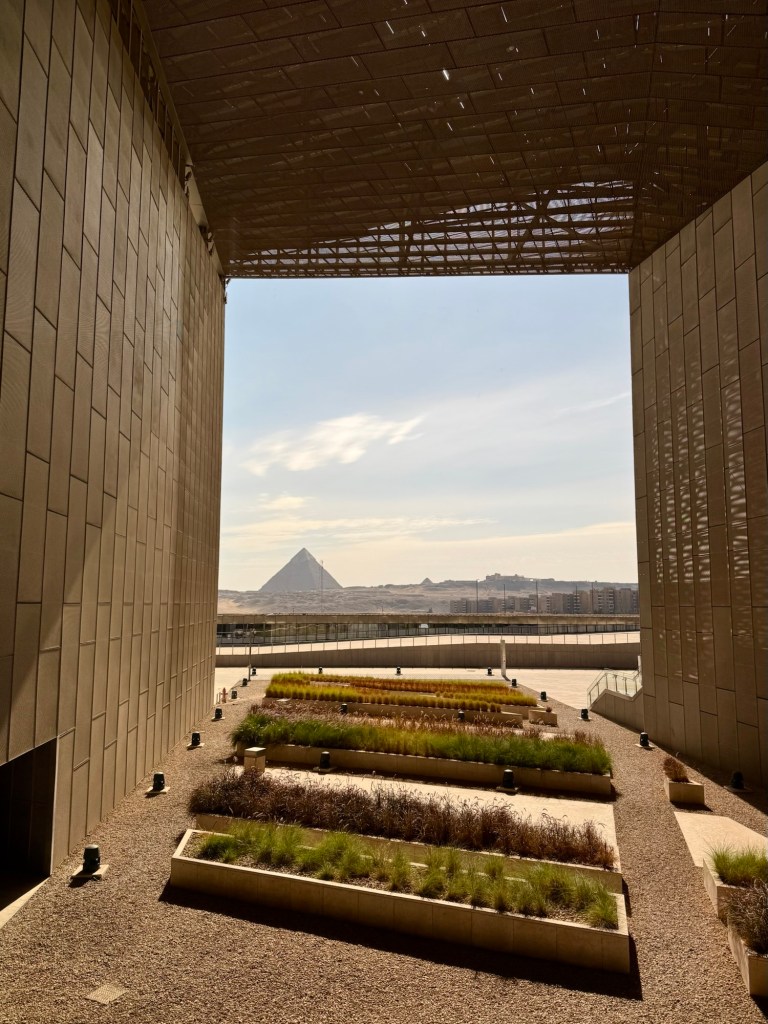
Walk in and the first thing you see is the colossal statue of Ramses II — the same one that used to stand in Ramses Square like a traffic cone for the gods. Now, it stands tall in a space that finally does it justice. And the main galleries are impeccably organized chronologically, from Prehistoric to the Greco-Roman period, and thematically, delving into society, kingship and beliefs.
What the Louvre is to France, GEM is meant to be for Egypt: not just a showcase of what was, but a symbol of what’s to come. It’s ambitious, modern, and long overdue.
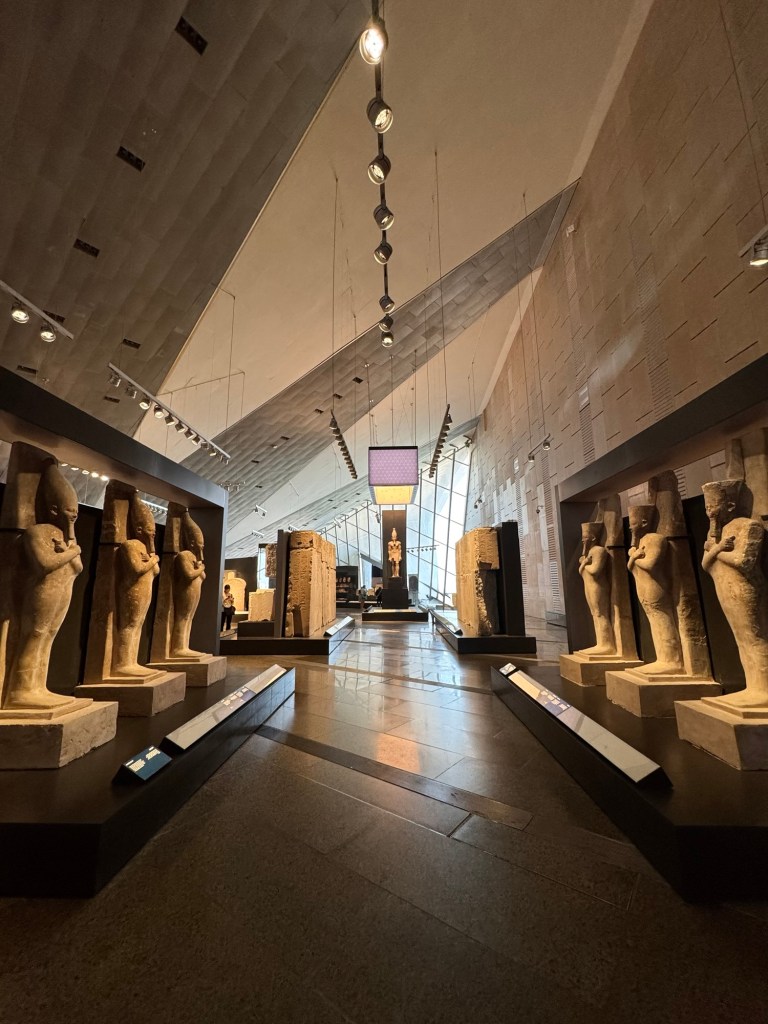

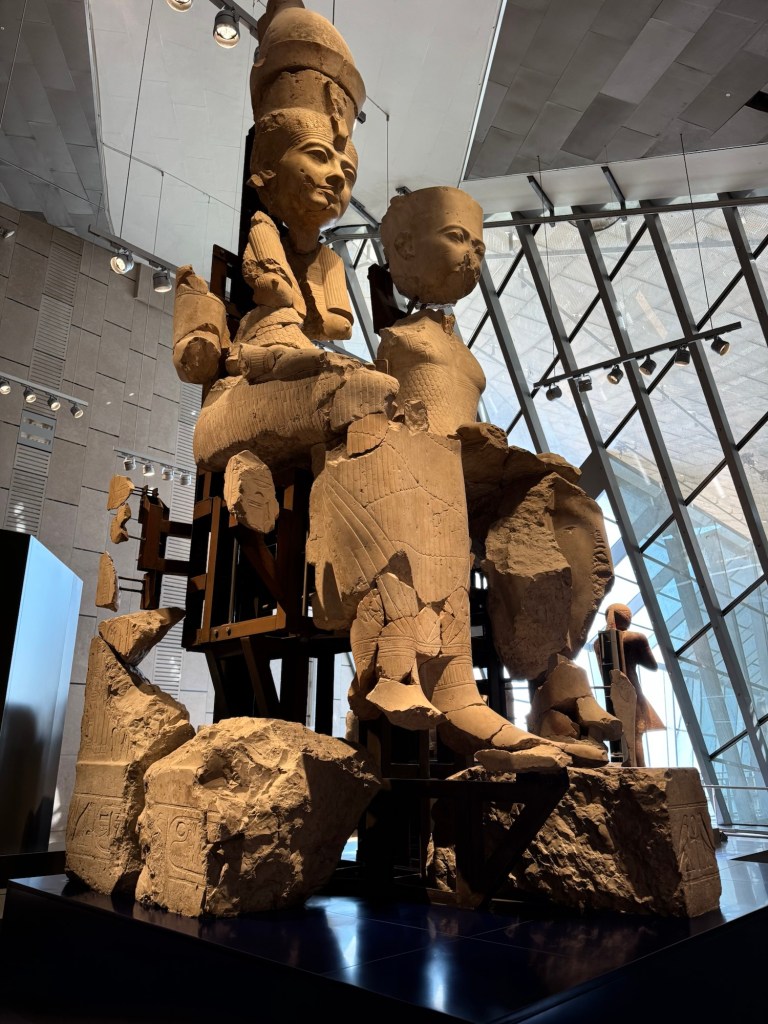
It’s fairly easy to buy Grand Egyptian Museum tickets online, through their official website. Sometimes this website has glitches or issues, though, so you can always buy tickets in-person at the ticket office (with a Visa or Mastercard only – cash a no no).
Sensory Overload
Cairo can be overwhelming for first-time visitors — it definitely was for me. It’s a sensory assault, a whirlwind of emotions, and every pitstop on my itinerary felt like a breath of fresh air from the chaos of the city. But it was nothing — and everything — I imagined it to be.
Next stop? Let’s just say… the shadow of the pyramids is starting to feel a little closer.
 Shenanigans Abroad
Leave a Reply