Spiritual Heart of The Ancients

Two Thebes?
I’ve always known Luxor existed, but for the longest time, I also thought Thebes was somewhere else in Egypt—which, to be fair, is pretty confusing considering there’s also a Thebes in Greece.
To put it simply: modern-day Thebes still exists in Greece, and Luxor is actually the modern name for the ancient Egyptian city of Thebes. This Thebes (not the Greek one) was a major capital and religious center during the Middle and New Kingdom periods.
Thebes was known to the ancient Egyptians as Waset, meaning “city of the scepter”. The ruins of that once-glorious city are now nestled within the modern city of Luxor. It’s kind of like how there’s a Richmond in both the US and the UK, a Grenada in the Caribbean and a Granada in Spain. Austria and Australia. Potato, potahto. Ye get it.
Modern Luxor, like many tourist hotspots in Egypt, seems to have adopted a new religion: tourism. And by tourism, I mean a sacred devotion to hassling visitors and chasing that sweet, sweet foreign currency. Why, you ask? Oh, it’s a whole thing—and I’ll cover it in detail in a separate post on my Egypt Cheat Sheet (coming soon!). So stay tuned, because I know you’re here to validate all those “horror stories.”
But all jokes aside, Luxor—aka ancient Thebes—is one of the richest historical sites in the world. It was the capital of Upper Egypt during the New Kingdom, a time when the empire was at its peak. This city wasn’t just a political powerhouse—it was the spiritual heart of ancient Egypt. Over its 850-year run as a capital (the third-longest in Egyptian history, by the way), it attracted wealth, power, and monumental architecture. For context: Memphis (again, not the one in Tennessee) comes in second, and Alexandria takes the crown with around 970 years.
And Luxor didn’t just exist – it was an architectural mic drop, a living, breathing expression of cosmic order and divine authority carved into stone.
East VS West
To really understand Luxor, you’ve got to get the lay of the land. The East Bank vs. West Bank of the Nile wasn’t just about geography—it was a spiritual and symbolic divide baked into the city’s very soul.
In ancient Egyptian belief, the Nile split more than just real estate. The East Bank, where the sun rises, symbolized life and rebirth. It housed grand temples like Karnak and Luxor, dedicated to the gods of the living. Meanwhile, the West Bank, where the sun sets, represented death and the afterlife. This is where you’ll find the Valley of the Kings, the Valley of the Queens, and epic mortuary temples like Queen Hatshepsut’s, carved straight into the cliffs.
To summarize:
East Bank = Staying alive.
West Bank = Another one bites the dust.
Now that the history download is out of the way, let’s talk East Bank.
Ancient Thebes’ vibrant, living heart. This was where power, worship, and daily life pulsed with energy. Associated with the rising sun, the East Bank symbolized life, creation, and renewal, this is why temples dedicated to the gods of the living world were built here. It was the stage for public worship, royal propaganda, and rituals that reinforced divine kingship.
Patchwork Quilt of Power
The Karnak Temple wasn’t just important—it’s legendary. Think of it as the Vatican, Versailles, *insert a national monument you know of here* all rolled into one, but in ancient Egyptian terms. Built over 2,000 years by more than 30 pharaohs, Karnak is the largest religious complex ever built in ancient Egypt. The Hypostyle Hall alone has 134 gigantic columns—some over 20 meters tall—that will make your neck hurt from looking up. Only pharaohs and priests were allowed into its innermost sanctuaries. This was VIP holy ground.
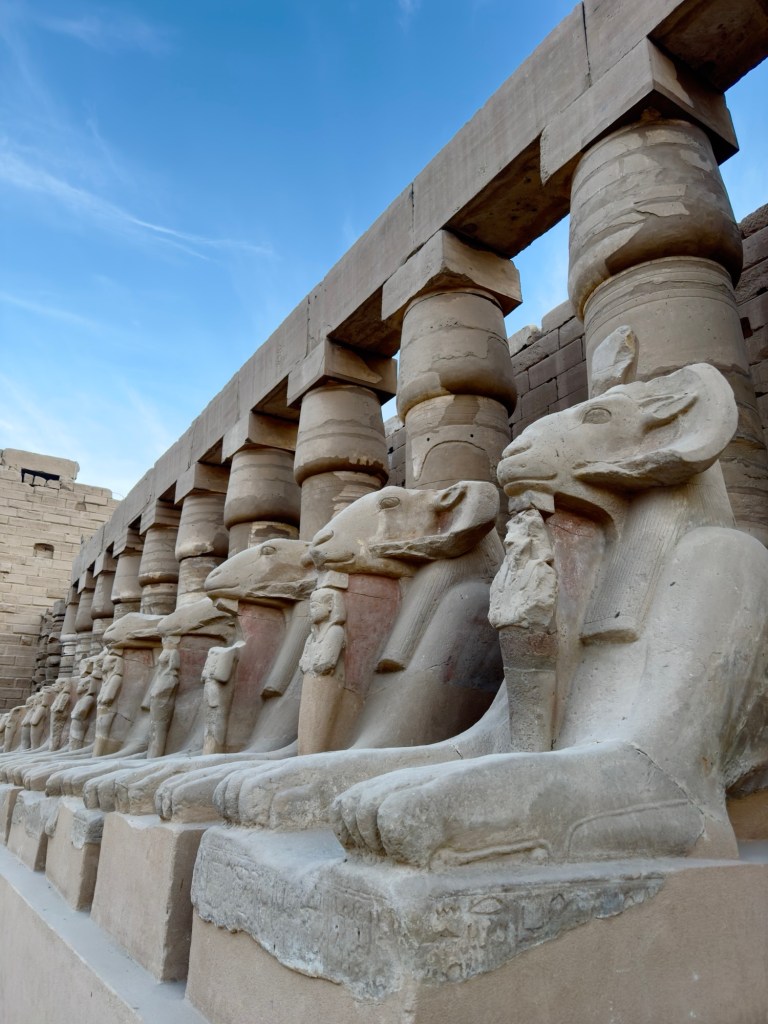
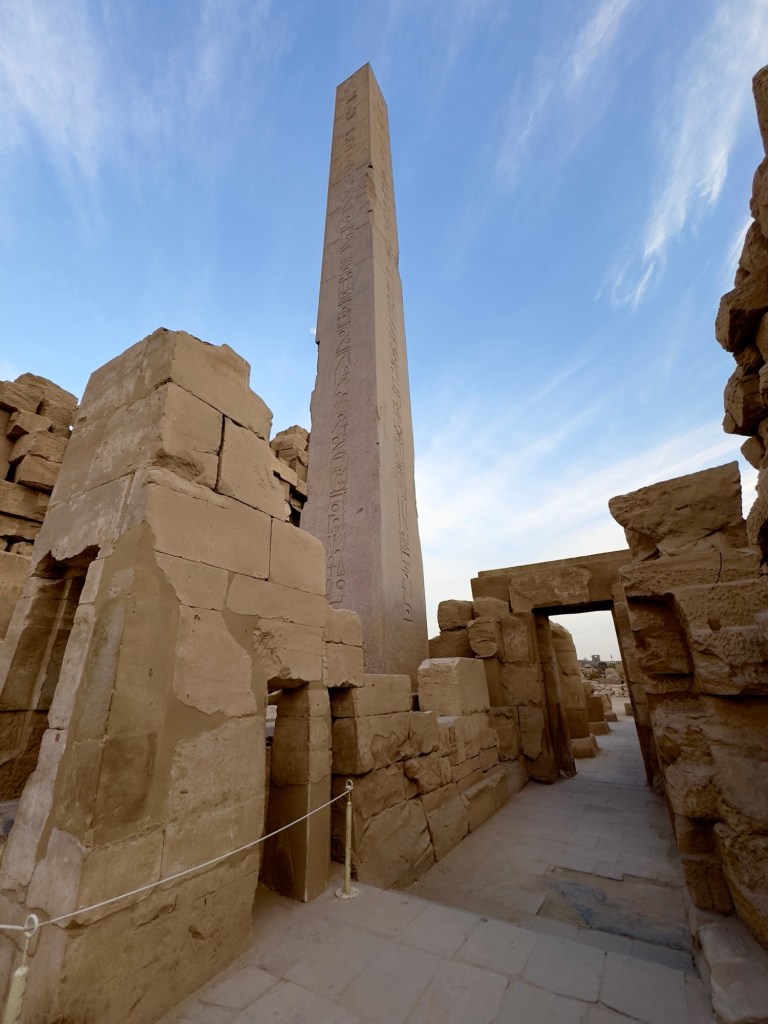
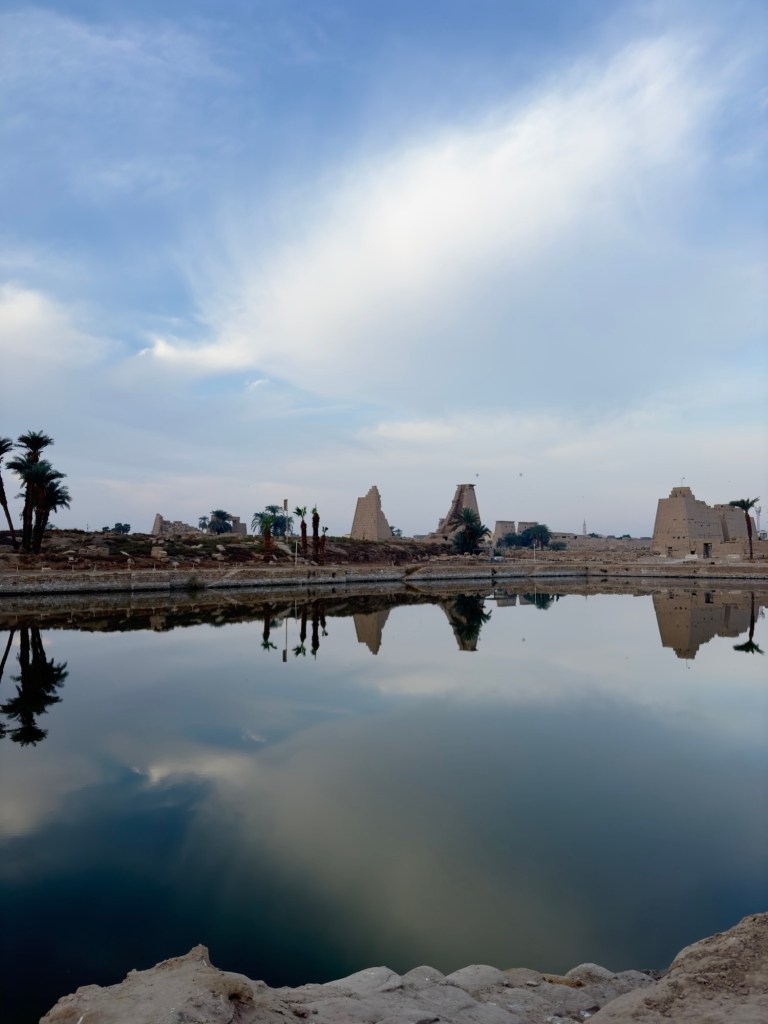
One of the coolest things about Karnak is how every pharaoh left their mark—kind of like a divine group project. My personal favorite? Pharoah Hatshepsut. Her contributions to Karnak were bold, symbolic, and architecturally impressive—just like her reign. She wasn’t just adding her name to old stones; she was rewriting the narrative of divine kingship and legacy as one of the few female pharaohs in Egyptian history. Ruling as king, not queen—she is often depicted in male regalia, including the pharaoh’s beard. Hatshepsut used Karnak to cement her role as a divine monarch, not just a regent or placeholder, almost to say: “I was chosen by the gods; look at what I built.” Dang, now that’s a woman.
Unfortunately, her stepson/nephew Thutmose III wasn’t a fan. He went full on petty and tried to erase her from history by walling up her obelisks and defacing her images. The irony? His vandalism actually preserved some of her monuments for us today. Ha. Joke’s on you, Thutmose.

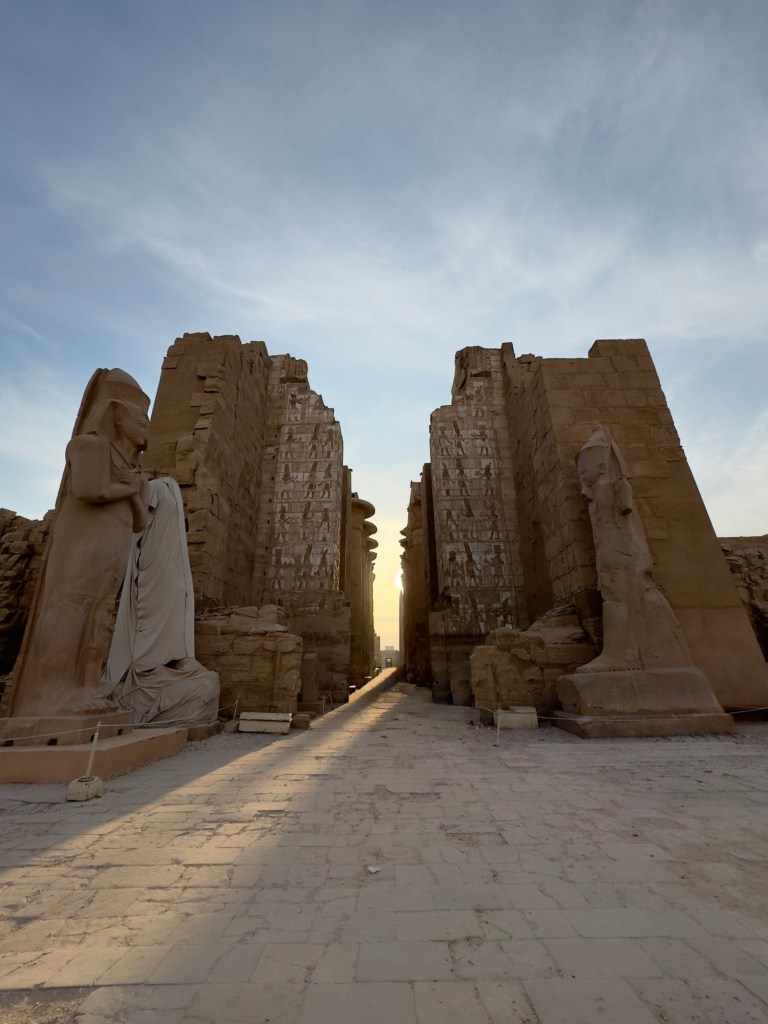
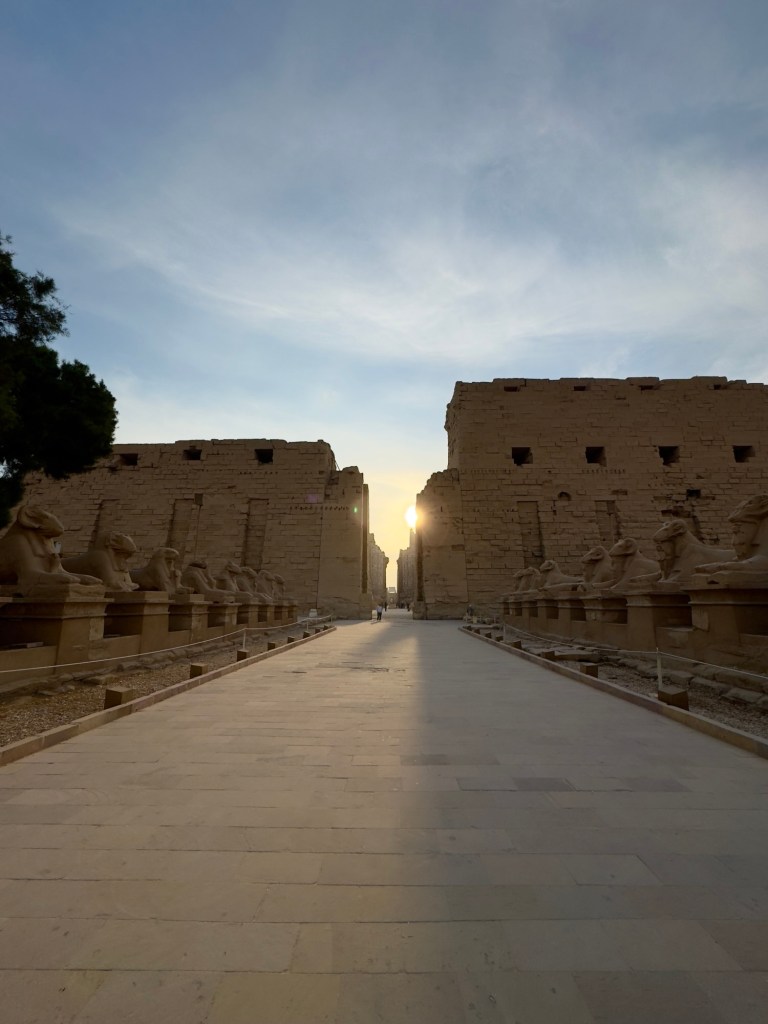
Even after Egypt’s golden age, Karnak kept evolving. Later rulers added Greek, Roman, and even Nubian touches. It’s an architectural patchwork quilt of power.
Set aside at least 3–4 hours. Karnak is massive and gets busy fast. Get there at opening (yes, 6 am, we know the drill by now), and you might get the place nearly to yourself. I did, and it felt almost sacred—like I should’ve purified myself before entering. Walking through the Great Hypostyle Hall alone? Pure goosebumps.
Walk Like an Egyptian (Priest)
Leading out the back of Karnak toward Luxor Temple is the legendary Avenue of the Sphinxes. Spanning nearly 3 kilometers and flanked by over a thousand sphinx statues, it connected the two temples and formed the backbone of ancient Thebes’ religious landscape.
During the annual Opet Festival, priests would carry a statue of Amun-Ra along this sacred route, symbolizing the union of god and king and renewing divine power.
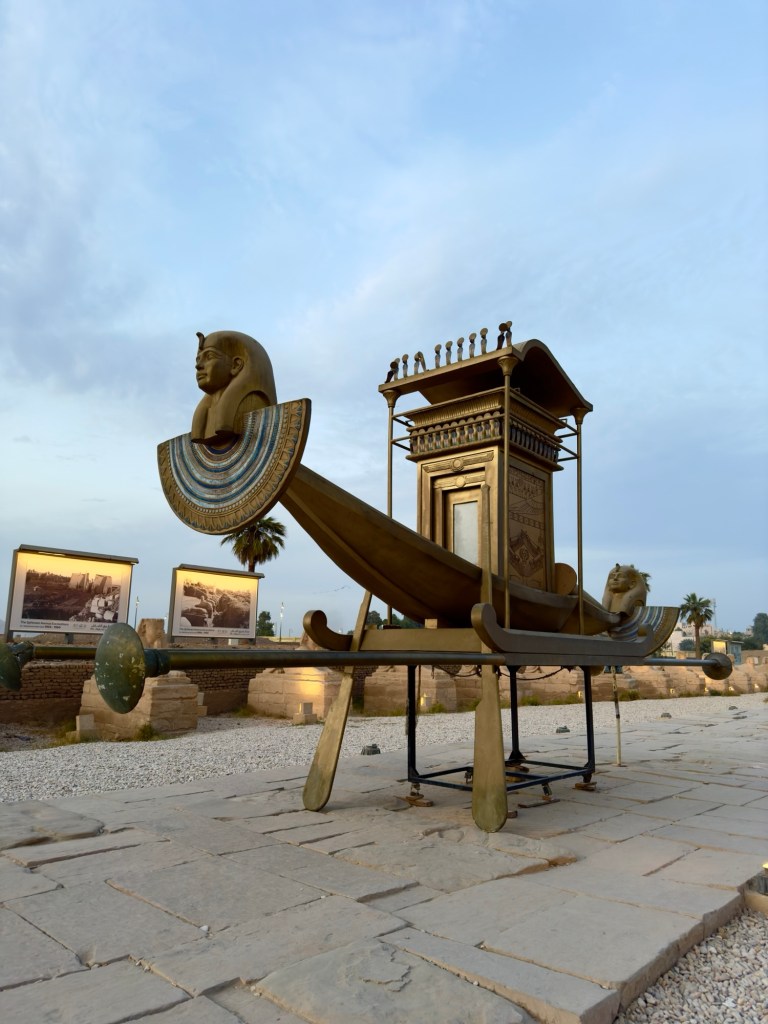
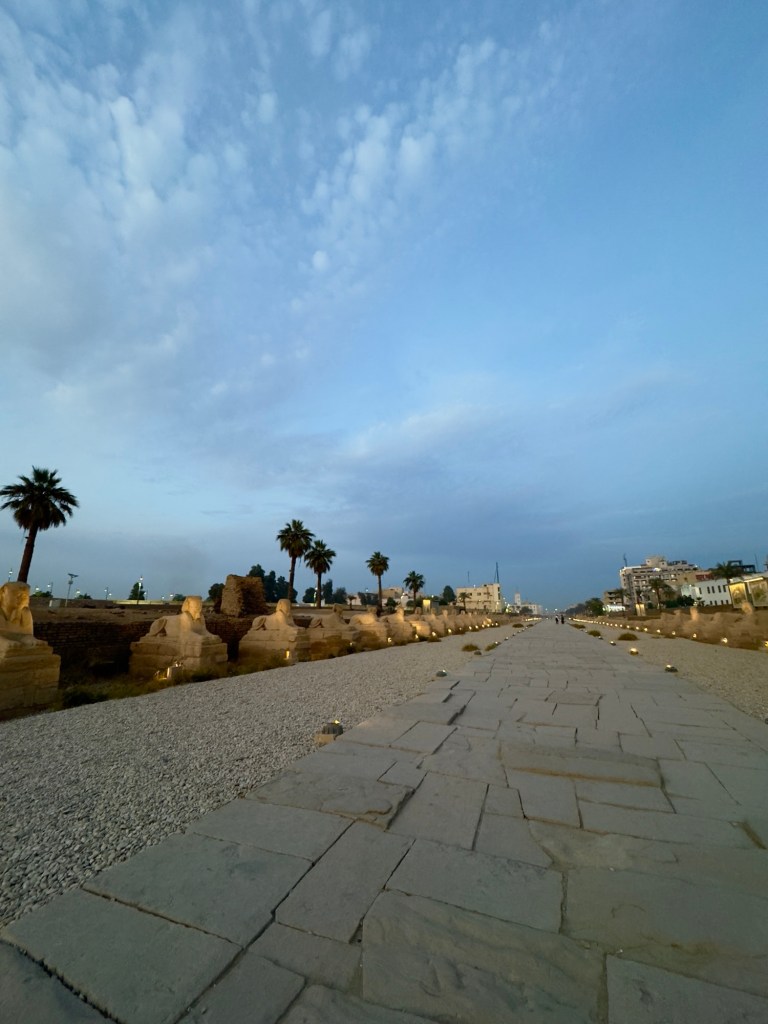
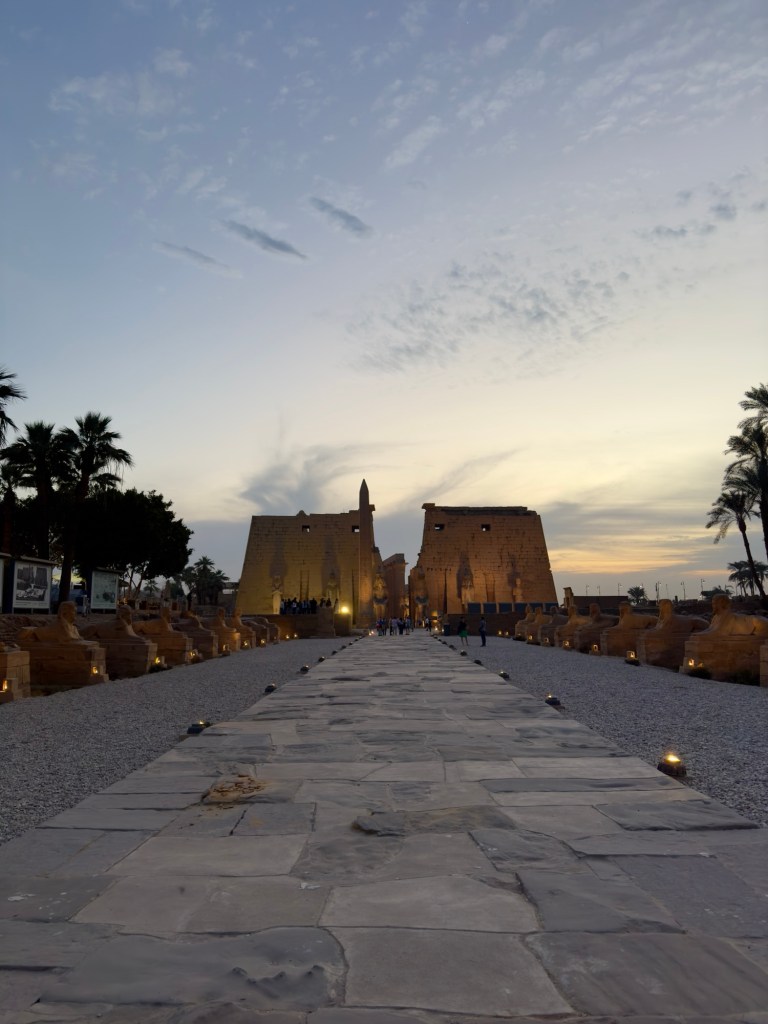
After decades of excavation and restoration, the avenue was dramatically reopened in 2021. You can now walk the same path once reserved for gods and kings.
Make sure you have tickets for both Karnak and Luxor Temple before attempting to exit/enter along the avenue, or you’ll be turned away.
Divine Power Complex
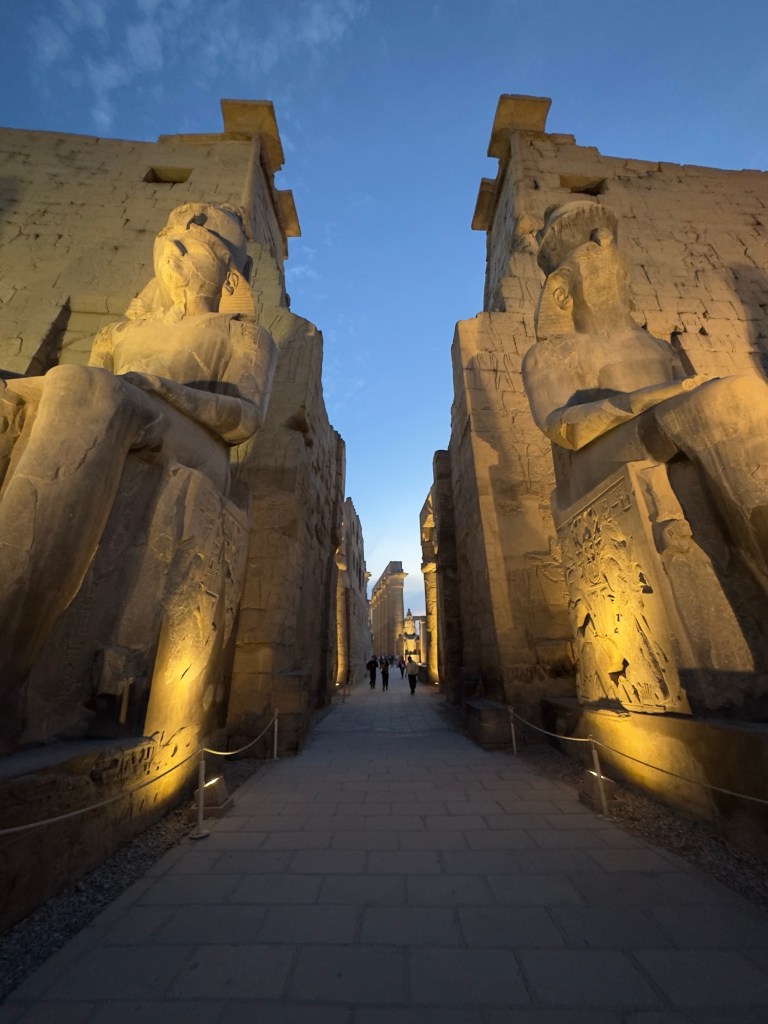
Luxor Temple is a beautiful blend of grandeur and sacred symbolism. It was built primarily by Amenhotep III and Ramses II, but it’s not dedicated to a specific god—instead, it honors the Royal Ka, or the divine essence of the pharaoh. With its soaring columns, colossal seated statues, and once-matching obelisks (one now stands in Paris smack in the middle of Place de la Concorde), the temple radiates a unique blend of grandeur and sacred symbolism.
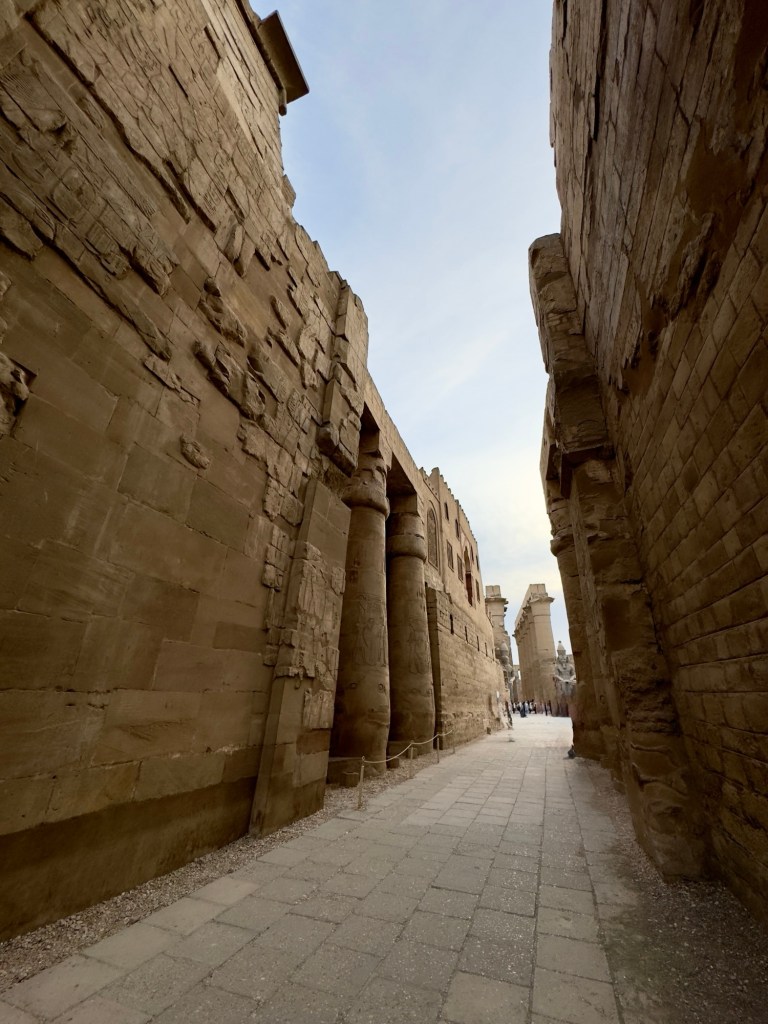
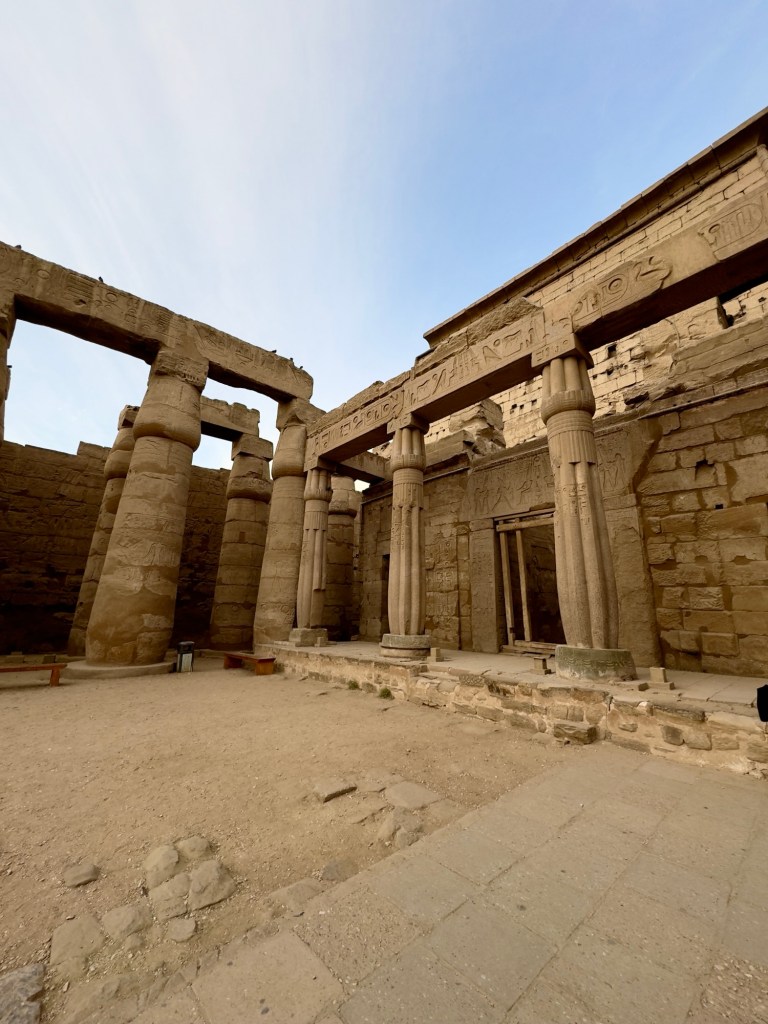
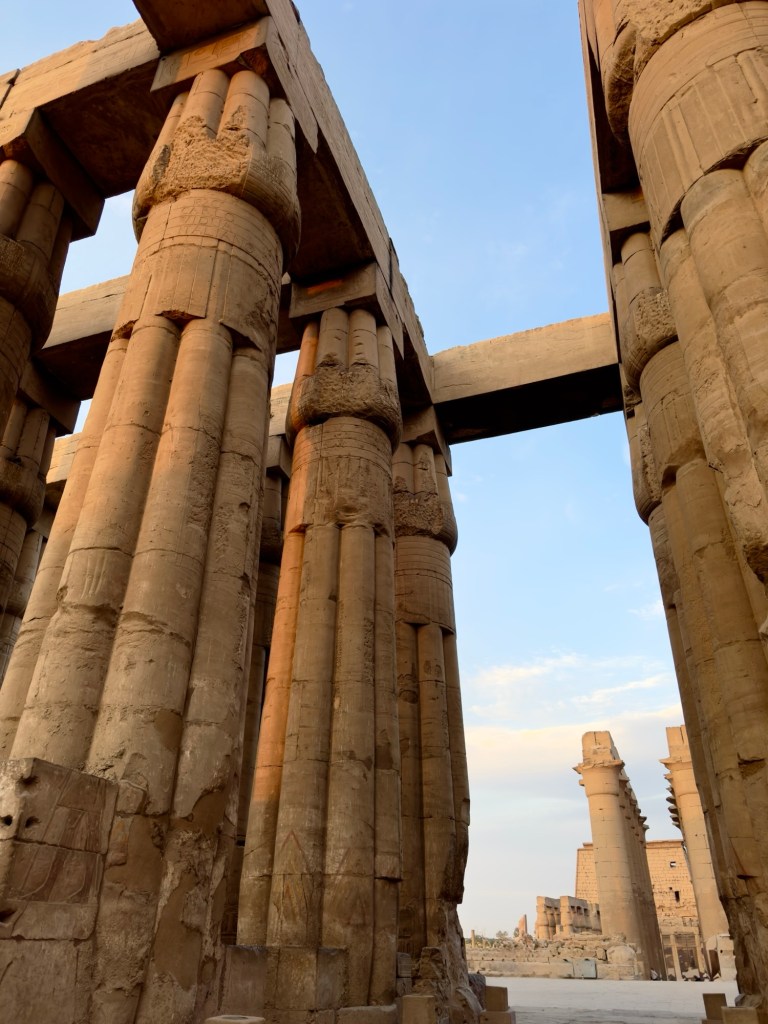
This temple played a key role in the Opet Festival, where it reinforced the pharaoh’s legitimacy. It even features a birth chamber that illustrates the pharaoh’s divine conception. Talk about self-branding.
Architecturally, it’s classic New Kingdom style: towering pylons, open courtyards, and intricate reliefs. But over time, layers of history piled on—Greek, Roman, Christian, and Islamic elements all found a home here. Alexander the Great built a shrine inside. The Romans turned part of it into a military camp. A 13th-century mosque still operates within the temple grounds today. That’s over 3,000 years of spiritual real estate, still active.
The Luxor Temple is open until 10 pm, and visiting in the evening offers a noticeably different atmosphere. Soft lighting highlights the architectural details, and some sections are illuminated in a way that mimics candlelight, creating a quiet, immersive setting.
There’s no strict time limit once you’re inside, so it’s worth planning your visit for the late afternoon. This way, you can experience the temple during daylight, catch the sunset, and see how the space transforms after dark.


Oh and there’s…
Also on the East Bank, is the Luxor Museum, and the Mummification Museum.
The Luxor Museum is small in size but rich in carefully curated treasures that bring the story of ancient Thebes vividly to life. It’s located along the Nile Corniche, between Luxor and Karnak Temples, and opens till 8pm. While most of the royal mummies are currently in the Royal Mummies Hall in the The National Museum of Egyptian Civilization in Cairo, the Luxor Museum still houses the royal mummy of Ramses I, it’s well-lit, climate-controlled, and uncluttered, with bilingual labels (Arabic and English) and clear signage which makes visiting accessible for everyone.
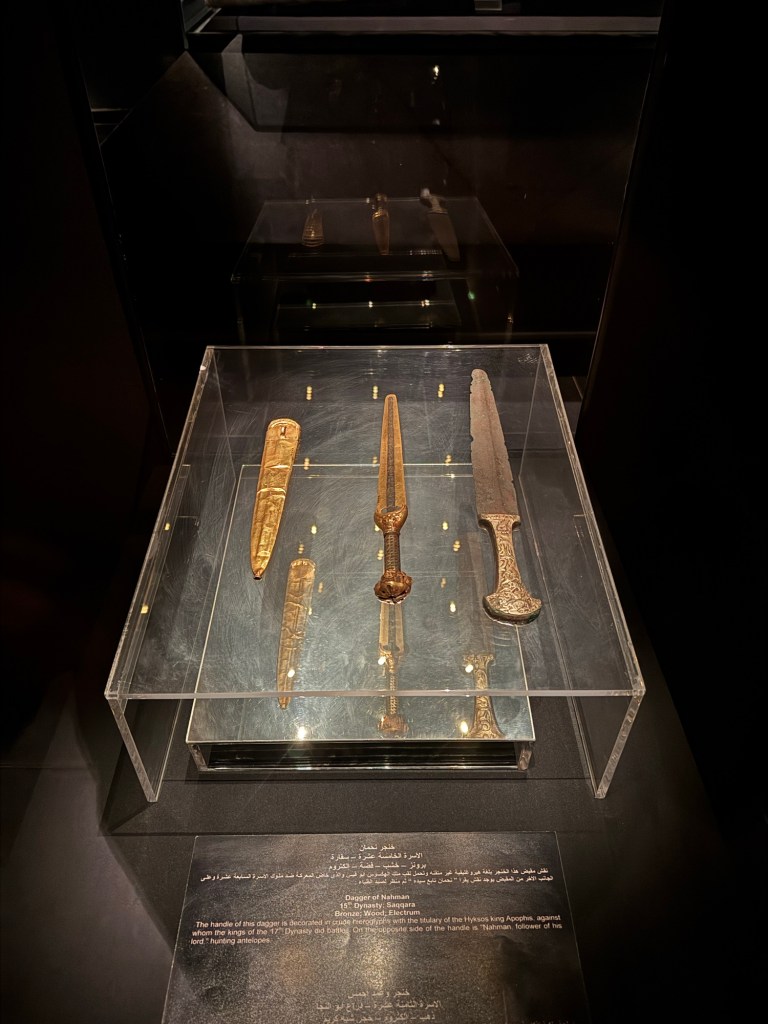
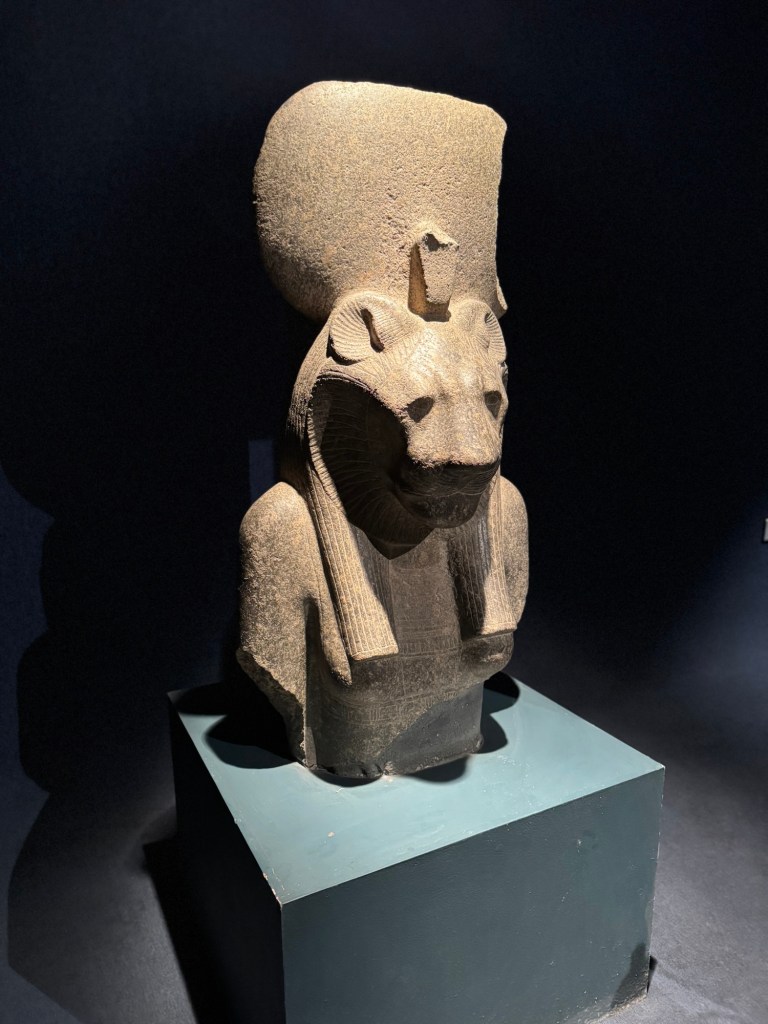
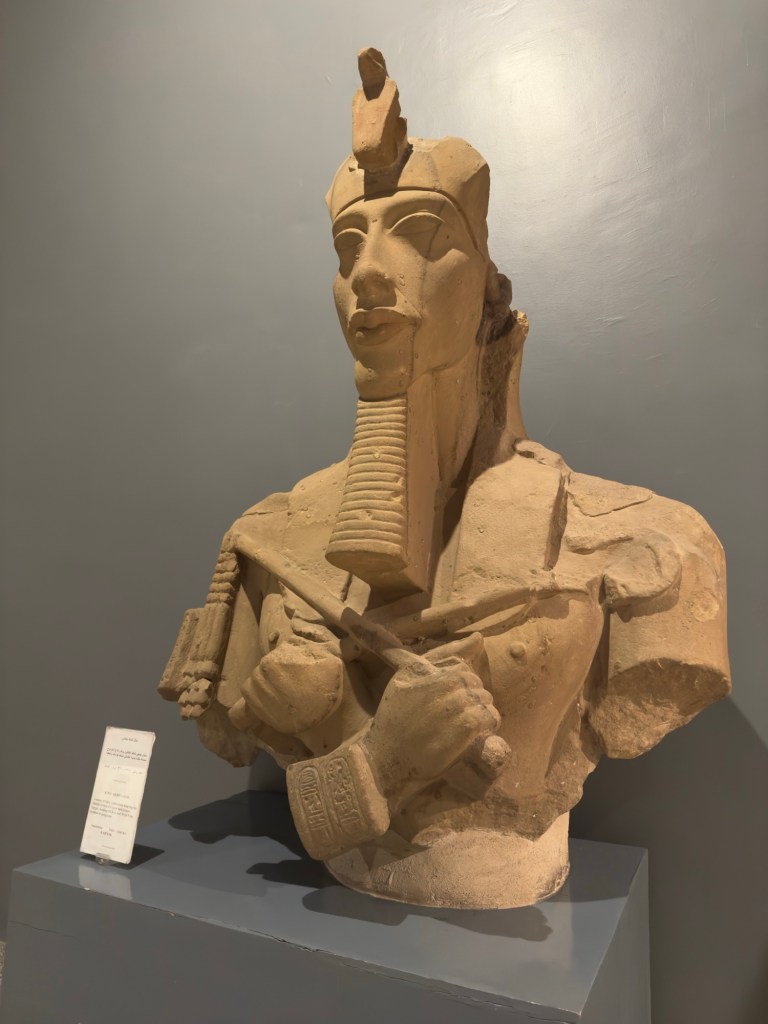
The Mummification Museum albeit smaller, but delves into great depth about the ancient Egyptian art of preserving the dead. Just north of Luxor Temple, this museum provides an intimate look at the rituals and techniques that ancient Egyptians employed to prepare both humans and animals for the afterlife. It stands as one of the few museums globally dedicated entirely to mummification. So if you’re interested in understanding the spiritual and practical aspects of ancient Egyptian funerary practices, this would be just the place for you, and it also opens till pretty late at night, 10pm.
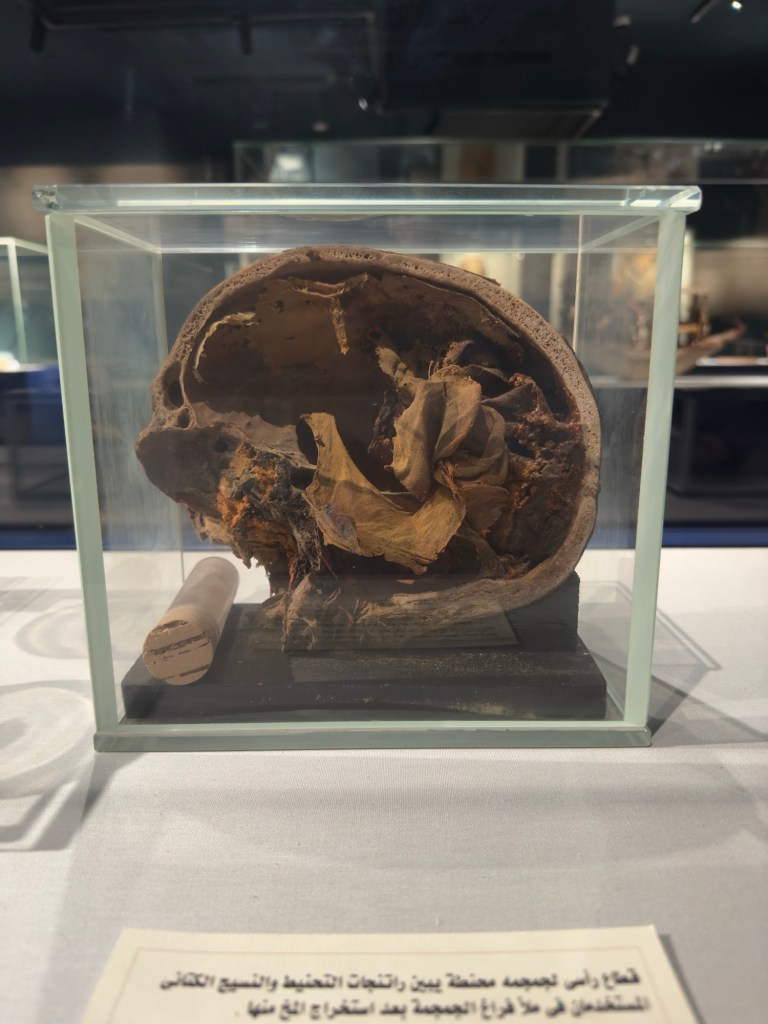
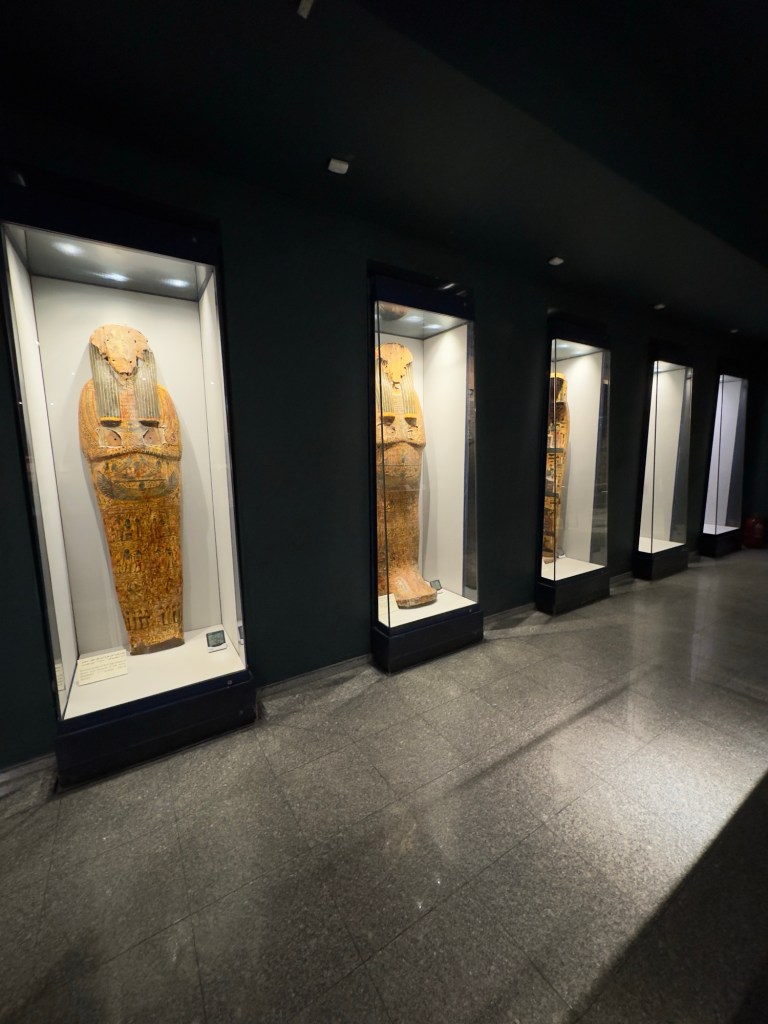
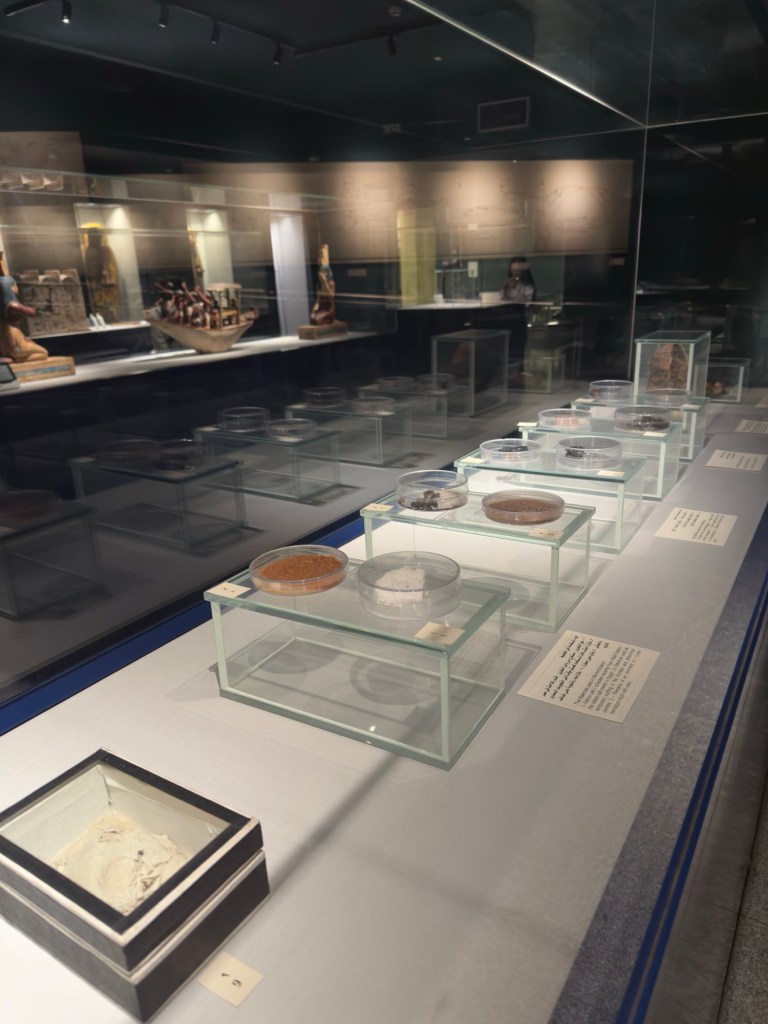
You can tackle the East Bank in a day. Starting with Karnak, walk through the Avenue of Sphinxes to Luxor Temple, and capped it off with the museums.
Well, that was the plan… until my car broke down on the way from Aswan during my Edfu, Kom Ombo, Esna Temple tour. So I saw Karnak at night instead—via the famous Sound and Light Show. Which, honestly, was incredibly underwhelming. I ended up going back the next morning at 6 a.m. to redeem the experience.
And redeemed it was.
More on the show experience and tips in the Egypt Cheat Sheet, so hang tight and keep an eye out!
Hello Darkness
By the end of the day, I was absolutely wrecked—body aching, legs threatening to file a formal complaint, and brain overloaded with 3,000 years of historical grandeur. But spiritually? Fulfilled. Like, glowing-core-memory-unlocked fulfilled. I couldn’t sleep that night—not because of the heat or the questionable hotel mattress—but because my brain wouldn’t shut up imagining what it must’ve looked like back then. However, darkness beaconed, and it was another early start to the next day to redeem myself at Karnak, but most importantly, the Land of the Dead awaits at the West Bank.


 Shenanigans Abroad